Winter in Antrim County is beautiful, but your energy bill does not have to feel like a blizzard. If you are shopping in 49629 or nearby, the right features can keep you warm, protect your roof from ice, and lower your monthly costs. You want comfort and resilience without surprises after closing.
In this guide, you will learn which winter energy-saving features matter most, how to verify them during showings, and how to think about costs and incentives. You will also get seller tips to make upgrades pay off at resale. Let’s dive in.
Why winter features matter in 49629
Long, cold winters and heavy snow make space heating your biggest energy expense in northern Michigan. Many rural properties do not have natural gas, so homes may rely on propane, fuel oil, electricity, or wood. That mix makes efficiency and fuel flexibility more valuable to you.
Ice dams, freeze-thaw cycles, and drafty rooms are common pain points. The right attic insulation, ventilation, and roof details reduce heat loss and prevent moisture damage. If you plan to use a property seasonally, efficient systems and smart controls can also cut fuel deliveries and protect pipes when you are away.
Top energy-saving features buyers want
Building envelope essentials
The envelope is your best first step. It keeps heated air inside and cold air out.
- Attic insulation and air sealing. Look for recent upgrades with blown or dense-packed insulation and signs of air sealing around penetrations. This is often the highest-impact, lowest-cost improvement in cold climates.
- Basement, crawlspace, and rim joist insulation. Insulated below-grade walls and sealed rim joists reduce cold floors and drafts. A conditioned, insulated crawlspace also helps protect pipes.
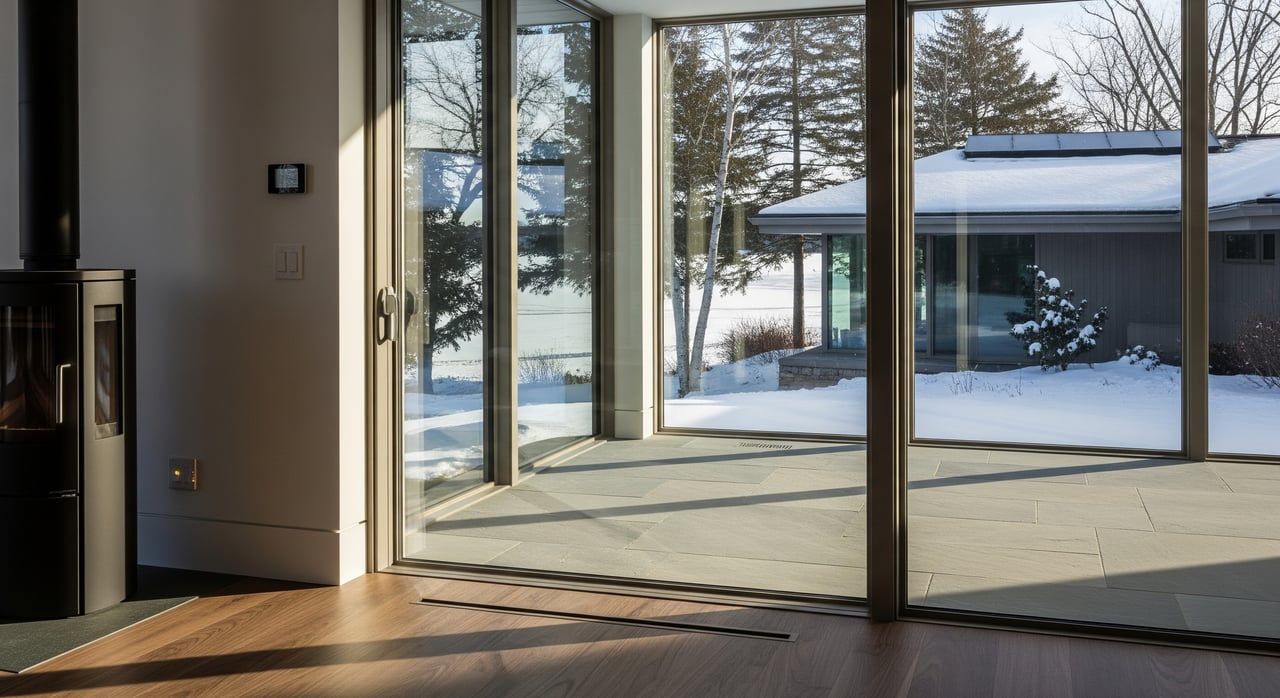
- Windows and doors. Modern double- or triple-pane units with low-e coatings and quality frames reduce drafts. If windows are older, well-fitted storm windows and good weatherstripping can still perform well. Keep in mind windows often have longer payback than insulation.
- Air barriers and thermal bridges. Ask about continuous air barriers and sealing around penetrations. Insulated rim joists and careful detailing reduce cold spots.
Heating systems and fuel choices
Efficient, reliable heat is essential in Antrim County.
- Cold-climate heat pumps and ductless mini-splits. Newer models can heat well in northern winters and provide cooling in summer. They are especially attractive if the home currently uses electric resistance heat or older fossil systems. In very low temperatures, some homes use a hybrid setup or a backup heat source.
- High-efficiency furnaces and boilers. If a home uses propane or fuel oil, look for high-efficiency equipment that is properly sized and maintained. Updated burners and smart controls can trim operating costs.
- EPA-certified wood or pellet stoves. Many buyers like these for resilience and supplemental savings. Verify emissions certification, clearances, and installation details.
- Backup heat and redundancy. A secondary heat source or generator adds peace of mind in rural locations where deliveries or outages can happen.
Ventilation and indoor air quality
Tighter homes need controlled ventilation to stay healthy.
- Balanced ventilation with heat recovery. HRVs or ERVs maintain fresh air while keeping most of the heat inside. This improves comfort and air quality without big energy penalties.
- Combustion safety. For any home with combustion appliances, confirm sealed combustion where appropriate, makeup air, and carbon monoxide detectors on each level.
Water heating and plumbing protection
Hot water and frozen-pipe prevention are winter priorities.
- Heat pump water heater (HPWH). HPWHs can be very efficient when installed in the right space. They use less energy than standard electric tanks and can help dehumidify the area around them.
- Pipe insulation and freeze protection. Insulating hot water lines and protecting supply lines in unheated areas reduces heat loss and lowers freeze risk.
Ice-dam and roof resilience
Roof detailing saves energy and prevents costly damage.
- Attic ventilation and roof underlayment. Proper ventilation, generous insulation, and an ice-and-water shield at the eaves reduce ice dams.
- Durable roofing and flashing. Quality asphalt systems with correct flashing or metal roofing can shed snow more effectively when properly designed and installed.
- Drainage and grading. Good drainage keeps crawlspaces dry and reduces freeze-thaw issues around the foundation.
How to verify efficiency before you buy
You can confirm performance with documentation and simple inspections.
Ask for documentation
- 12 months of utility bills for heat and electricity
- Receipts, permits, and warranties for insulation, HVAC, windows, or other energy upgrades
- Model numbers and specification sheets for furnaces, boilers, heat pumps, and water heaters
- Records of combustion safety testing and locations of carbon monoxide detectors
Request tests and inspections
- A home energy audit or blower-door test results if available
- An HVAC inspection by a qualified technician, including fuel system checks for propane or oil
- A visual attic inspection to confirm insulation depth, air sealing around penetrations, and any signs of moisture or past ice-dam issues
- Combustion safety checks on all fuel-burning appliances
- If you want deeper insight, ask about a HERS Index, Home Energy Score, or a thermographic scan to spot cold areas
Observe on-site and ask questions
- What is the primary heating fuel, and how old is the equipment?
- Are energy upgrades recent, and who installed them? Are permits on file?
- Has the home had ice-dam or roof leak repairs? What long-term fixes were done?
- Is there a backup heat source or generator?
- Do you notice drafts, cold floors, or uneven room temperatures?
Costs, incentives, and financing basics
You do not need a full gut renovation to see results. In cold climates, attic insulation and air sealing typically deliver the fastest comfort gains and savings. Heating system upgrades can cut costs further, especially when replacing older electric resistance, oil, or propane systems, but they require higher upfront investment and careful sizing.
For help offsetting costs, review these paths as you plan:
- Federal tax incentives. There are federal incentives for qualifying home energy improvements and heat pump systems. Confirm current eligibility and rules before you rely on a specific amount.
- State and nonprofit programs. Michigan offers programs and financing through state and nonprofit channels. Check current program names, service areas, and terms.
- Utility rebates. Local utilities and electric cooperatives may offer rebates for heat pumps, insulation, and efficient water heaters. Confirm what your specific provider offers.
- Energy-efficient mortgages. Some mortgage products allow you to finance energy improvements within your loan. Ask your lender or mortgage broker about options.
Documented improvements and clear performance data make a home more attractive and can strengthen your resale story.
Local tips for Antrim County homes
- Fuel logistics. If the home is on propane or fuel oil, ask about typical delivery timing, tank size, and supplier options nearby. In rural areas without natural gas, multi-fuel or hybrid setups can add resilience.
- Snow and ice management. Roof slope, eave details, and attic work are key to preventing ice dams. If a property has a heated driveway or exterior snow-melt system, understand the operating costs before you decide.
- Seasonal and second-home needs. For part-time use, prioritize freeze protection, insulated crawlspaces, remote thermostats, and zoning. These steps reduce risk and energy use when you are away.
For sellers: highlight what today’s buyers want
If you plan to list in 49629, energy and winter-ready features can elevate your property in a competitive market.
- Focus on the envelope. If you have not done so, consider attic insulation and air sealing. These upgrades show well and boost comfort during showings.
- Show your receipts. Keep permits, contractor invoices, and warranties together. Add a one-page summary of what was upgraded and when.
- Share real data. Offer 12 months of utility bills. If you have a blower-door test, Home Energy Score, or HERS Index, include it in your listing documents.
- Explain roof and drainage details. Note ice-and-water shield, attic ventilation, and any long-term fixes for past ice-dam issues.
- Stage for comfort. Even heat distribution, sealed drafts, and a smart thermostat set to a comfortable temperature can make the home feel efficient during showings.
Smart next steps
- If you are a buyer, start with documentation, then schedule an energy-focused inspection to confirm performance and prioritize improvements.
- If you are a seller, organize your upgrade records and consider quick wins like air sealing and attic insulation before you list.
When you are ready, connect with a local team that knows how to spot these features, evaluate their value, and market them to your advantage. Reach out to Traverse City Real Estate to talk through your goals and next steps.
FAQs
What winter energy features matter most in Antrim County homes?
- Start with attic insulation and air sealing, then address basement or crawlspace insulation and window performance, followed by right-sized, efficient heating systems.
Are cold-climate heat pumps effective in northern Michigan winters?
- Yes, many modern cold-climate heat pumps work well in this region; verify model performance, proper sizing, and whether a hybrid or backup heat source is included.
How can I check a home’s energy use before making an offer?
- Request 12 months of utility bills, equipment specs, and any energy audit results, and consider a blower-door test or energy audit as part of your due diligence.
What upgrades help prevent ice dams on Antrim County roofs?
- Combine adequate attic insulation, thorough air sealing, proper attic ventilation, and quality roof underlayment at the eaves to reduce ice-dam risk.
What should second-home buyers in 49629 look for to avoid winter issues?
- Prioritize freeze-protected plumbing, insulated or conditioned crawlspaces, smart thermostats, and zoning for remote control and lower standby heating costs.
Can energy upgrades improve resale value for sellers in Antrim County?
- Documented upgrades and lower operating costs increase buyer confidence and can enhance resale appeal when highlighted clearly in marketing and showings.