Are you deciding between a low-maintenance condo near the bay and a home with more space a short drive from downtown? You are not alone. Many buyers in 49684 weigh walkability and simplicity against privacy, storage, and land. This guide gives you a clear, local framework to compare downtown Traverse City condos with nearby single-family homes so you can choose with confidence. Let’s dive in.
The core decision: lifestyle vs. space
Downtown condos: walkability and ease
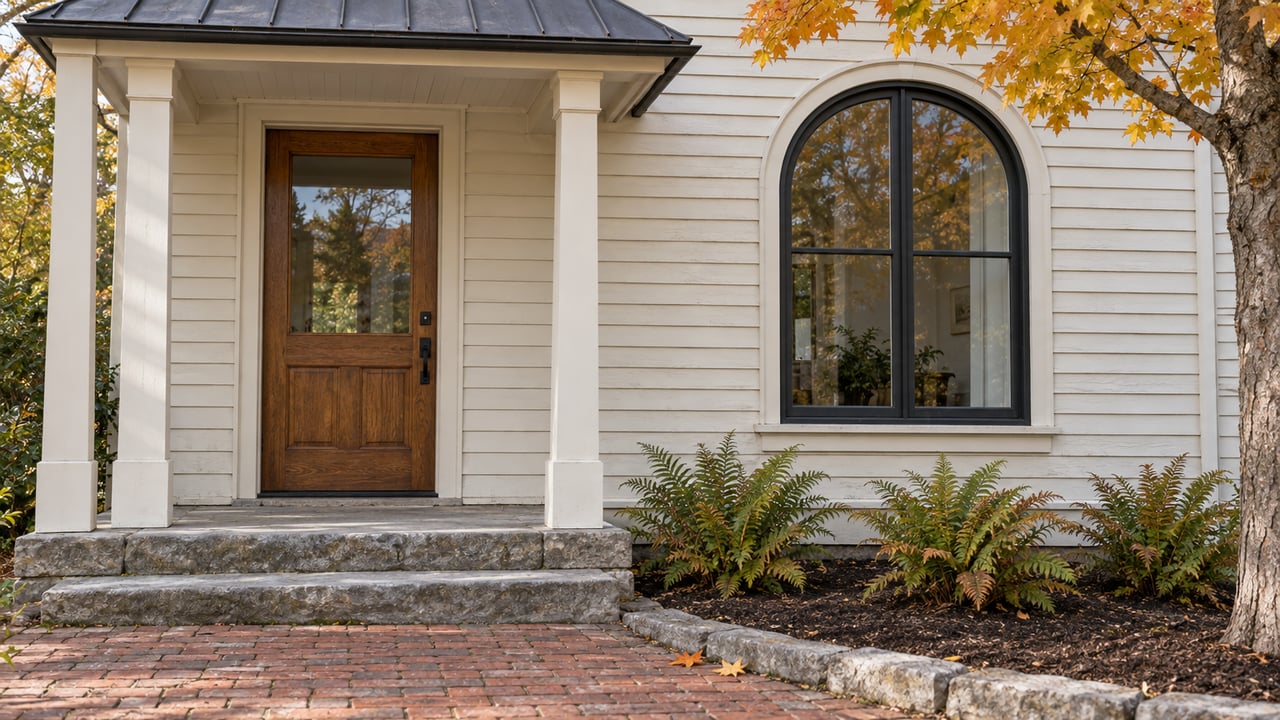
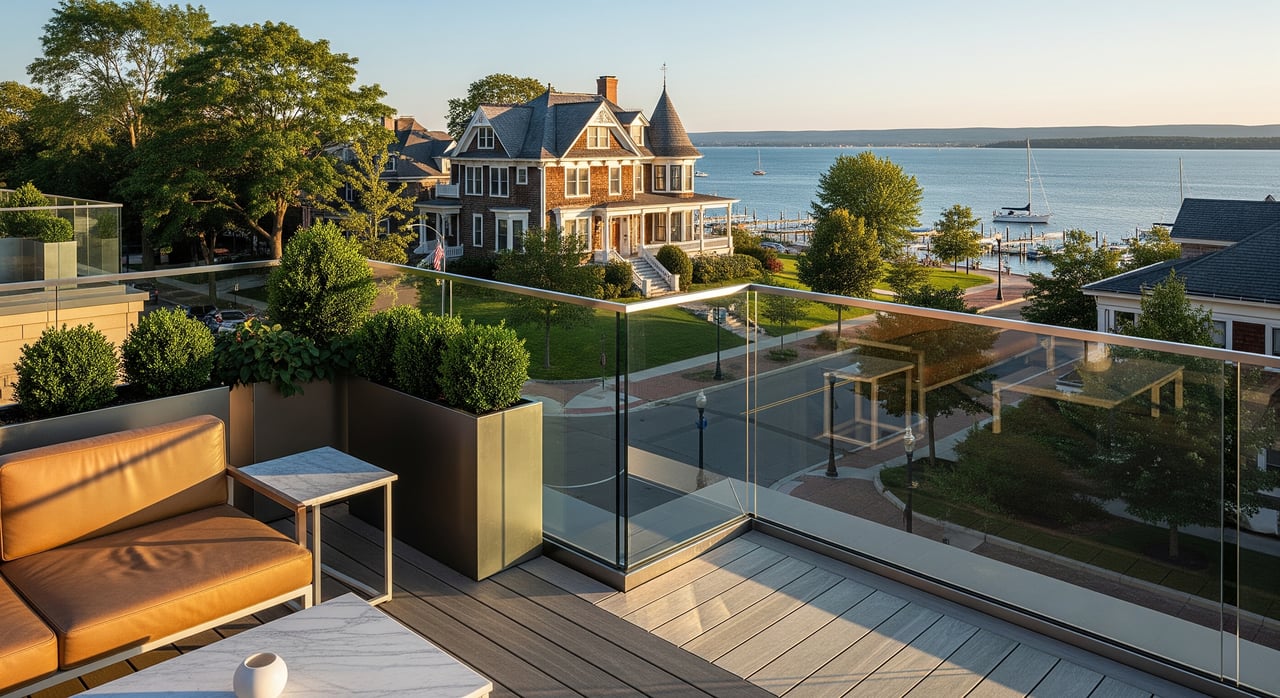
If you want to park the car and step into restaurants, coffee shops, biking paths, and festivals, downtown condo living fits the bill. You trade yard work for convenience and access. Many buildings offer security features and a lock-and-leave setup that suits second-home owners and busy professionals.
Nearby homes: room and privacy
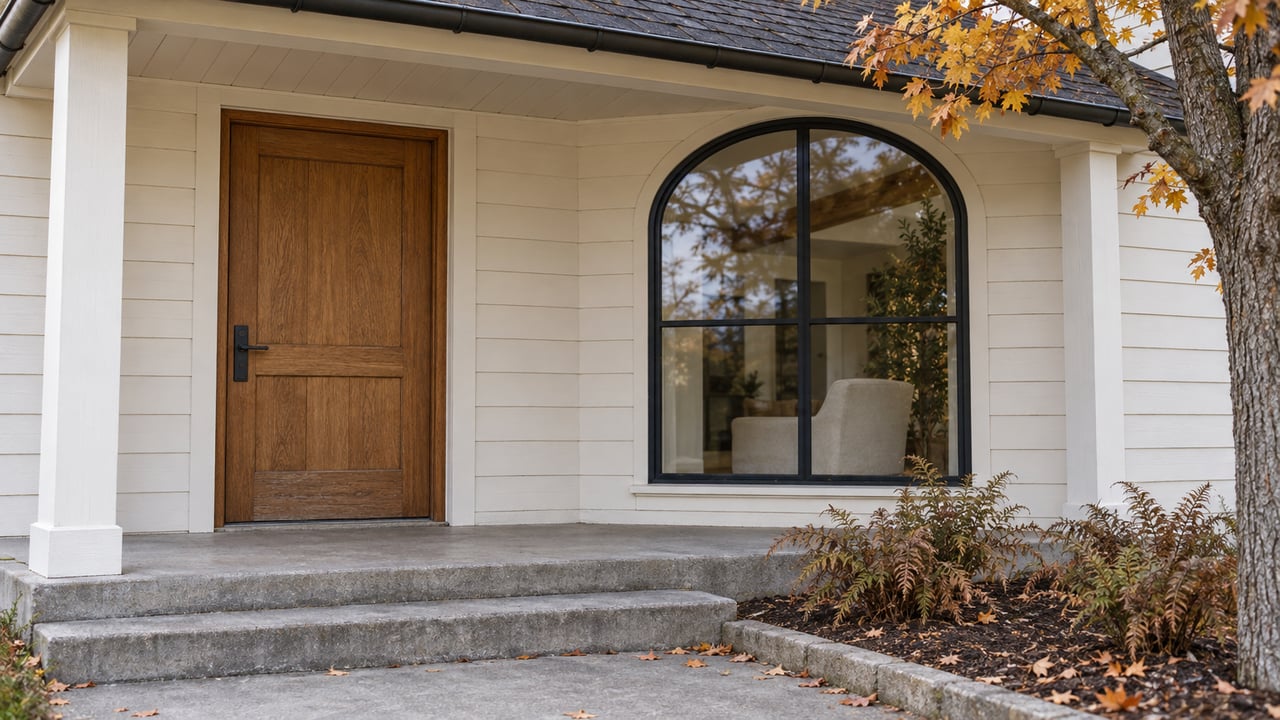
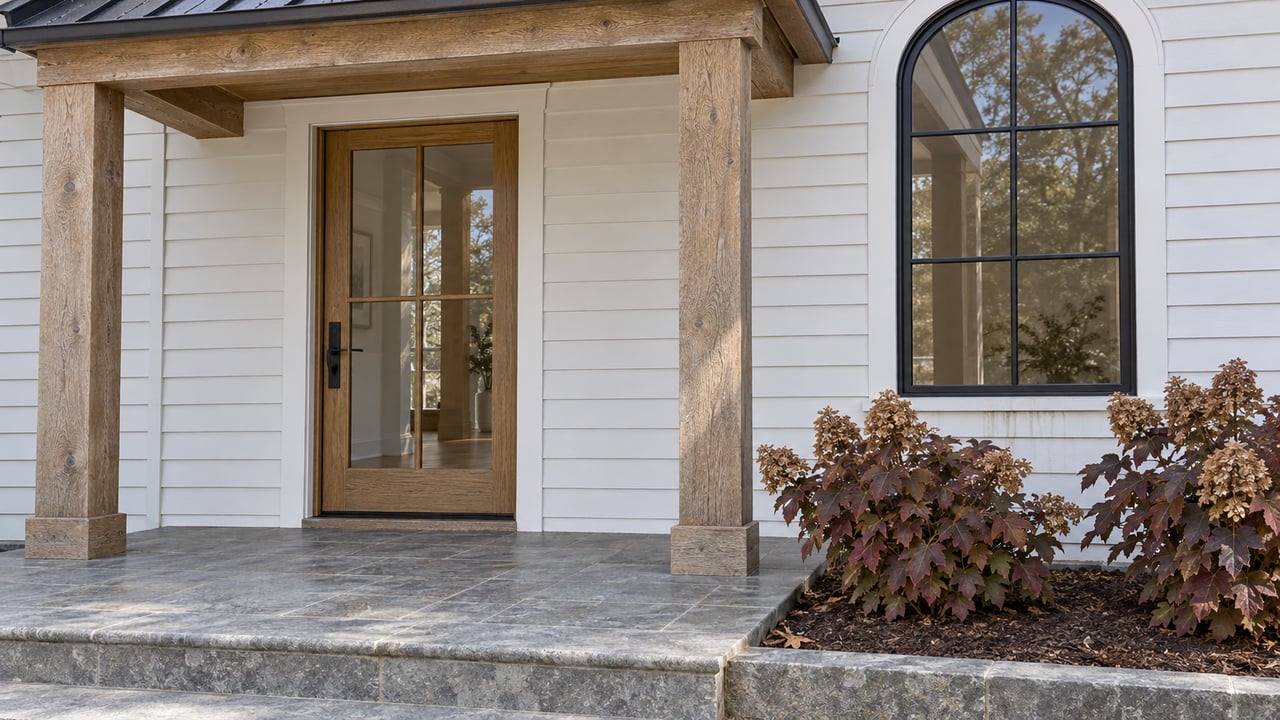
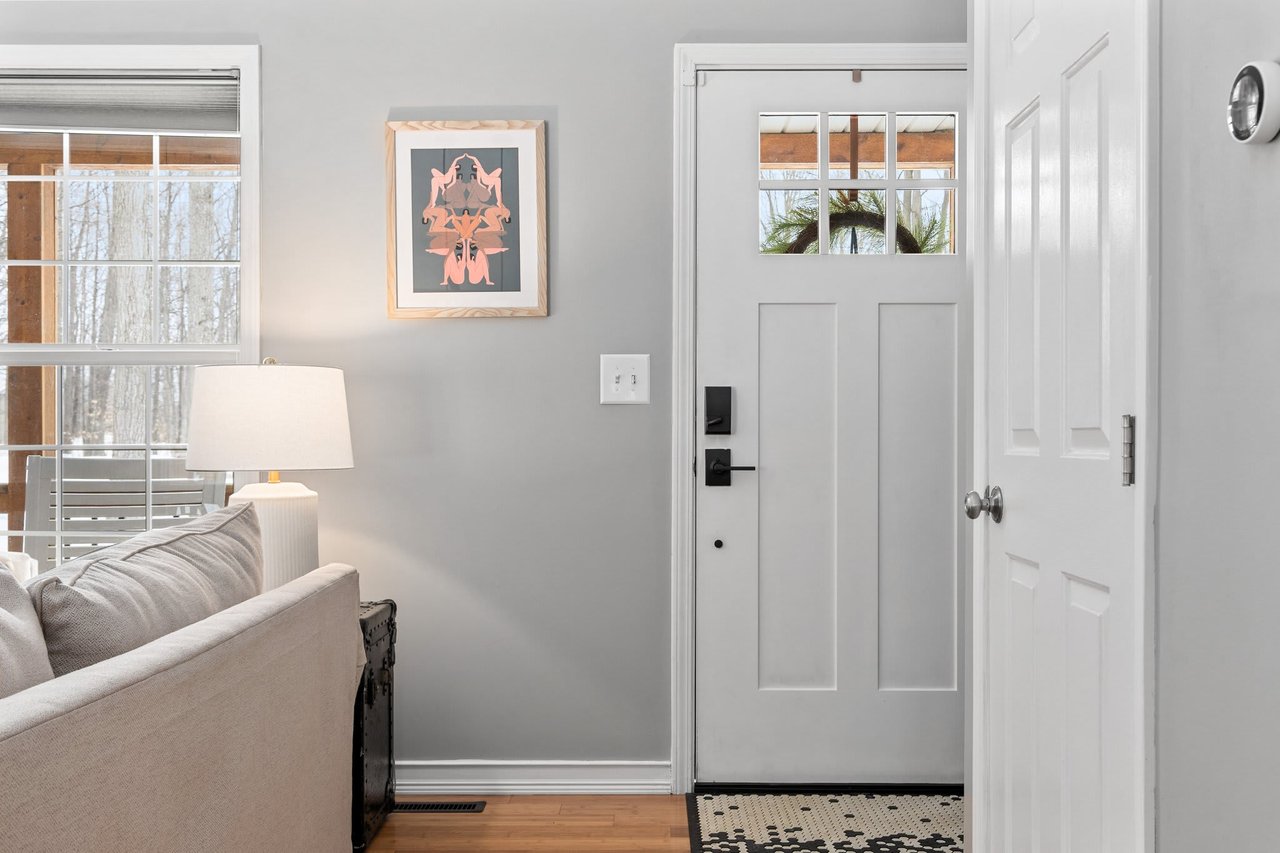
If you value a yard, a garage, and more control over your property, a single-family home in surrounding neighborhoods can be a better match. Homes across Grand Traverse County and into Leelanau often sit on quieter streets and offer more storage. You still stay within a short drive to downtown, depending on the area you choose.
Cost comparison essentials
Upfront costs
- Purchase price varies by building age, finishes, views, and amenities for condos, and by lot size, condition, and location for homes.
- Closing costs look similar for both, though some lenders have extra condo project requirements.
- Waterfront or bayview units and lots command premium prices in both categories.
Monthly carrying costs
- Mortgage and taxes apply to both, based on assessed value in the city or township.
- Condos add HOA dues that typically cover building insurance contributions, exterior care, snow removal, landscaping, and shared utilities where included.
- Homes carry separate utility accounts and usually higher maintenance and insurance costs because you insure the entire structure.
Insurance and utilities
- Condo owners usually carry an HO-6 (walls-in) policy. The HOA master policy covers common elements. Always confirm master policy coverage and deductibles.
- Homeowners usually carry an HO-3 or similar policy that covers the entire dwelling and may cost more than HO-6.
- Utilities in condos may bundle some services into HOA dues. Homes require individual accounts and can have higher energy use.
Maintenance, HOA, and rules
What HOA dues often cover
Most condos include exterior maintenance, roof and common area care, reserves for capital projects, snow removal, landscaping, and sometimes water, sewer, or trash. Amenities vary by building. Special assessments can occur when reserves are not sufficient for major work.
HOA due diligence for condos
Before you buy, review:
- CC&Rs, bylaws, and rules
- Recent meeting minutes for the past 1–2 years
- Budget, reserve study, and financial statements
- Insurance declarations, including master policy details
- Special assessment history and planned projects
- Owner-occupancy and rental rules
These items help you gauge how stable dues are, whether rules fit your lifestyle, and if financing will be smooth.
Single-family maintenance planning
With a home, you control the schedule and vendors, but you carry full responsibility. A common rule of thumb is to budget a percentage of the home’s value annually for upkeep. Actual costs vary by age, systems, and condition. Rural homes in the region can include well and septic systems that require inspections and long-term maintenance planning.
Parking, storage, and pets
Condos: parking and storage
Many downtown buildings include structured parking or assigned surface spaces. Visitor parking may be limited. Storage rooms, bike areas, and lockers vary by building, so confirm what comes with the unit.
Homes: garages and flexibility
Single-family homes often include garages, driveways, sheds, and room for tools, outdoor gear, and sometimes boats or RVs, subject to local zoning. You decide how to use the space within municipal rules.
Noise, privacy, and pet policies
Condos share walls and have community rules that can include pet size or number limits. Homes typically offer more privacy and control, within local ordinances.
Water, views, and shoreline
Condos: views and shared elements
Units with bay views or near the waterfront can carry premium pricing and strong lifestyle appeal. If water access is important, review the condo’s common elements and any deeded access details.
Homes: private shoreline and responsibility
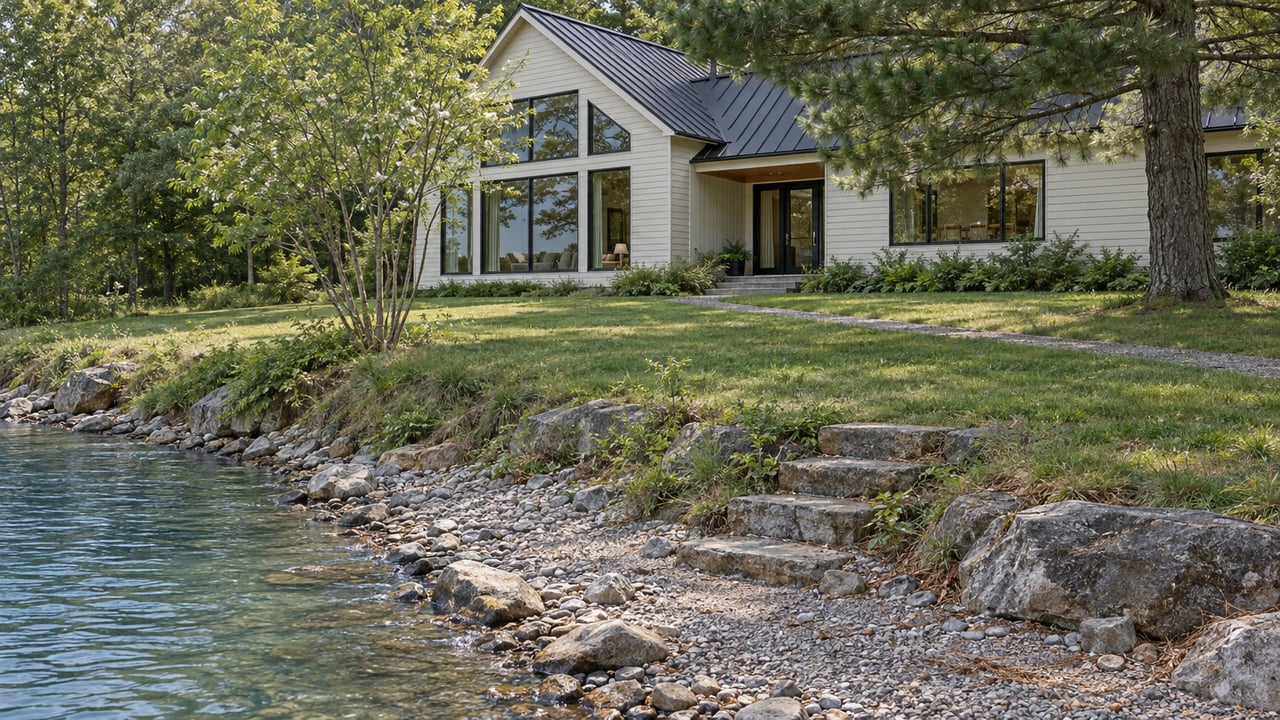
Waterfront houses offer private land, potential docks, and room for outdoor living. They also bring full shoreline maintenance and potential permitting considerations. Flood risk and insurance needs should be evaluated for any waterfront purchase.
Financing and approvals
Condo project approvals
Some loan programs require project or unit approval for condos. This can affect your loan options and the future buyer pool. Lenders also review HOA budgets, reserves, insurance, and owner-occupancy ratios as part of their process.
Second home or investment
Down payments and reserve requirements can differ for second homes or investment properties. If you plan to rent seasonally, confirm municipal short-term rental rules and the condo’s rental covenants before you buy.
Resale and demand drivers
Who buys downtown condos
- Lifestyle buyers who want walkability and low maintenance
- Second-home owners who value proximity to dining and events
- Downsizers who want single-level living and a lock-and-leave setup
- Investors where rentals are allowed by the HOA and municipality
Who buys nearby single-family homes
- Buyers who want yards, garages, and more storage
- Those who value privacy, land use options, and potential for additions or accessory buildings
- Long-term owner-occupiers who prioritize broader resale demand
Seasonality and pace
Summer tourism can influence demand for seasonal purchases and rentals. Off-season activity can be steadier for primary residences. Days-on-market, absorption, and price per square foot vary by building and neighborhood, so local comps are essential when you are ready to decide.
Short-term rental checks
If renting is part of your plan, verify both city or township rules and HOA covenants:
- Confirm whether short-term rentals are allowed for your property type and location.
- Check permits, caps, or enforcement standards with the local municipality.
- Review HOA rules for minimum lease terms and application processes.
- Factor rental income variability into your financing and cash flow assumptions.
Quick decision framework
Choose a downtown Traverse City condo if you want:
- Walkability to restaurants, shops, bayfront paths, and festivals
- Low-maintenance living with exterior care handled by an HOA
- Single-level layouts and security features for a lock-and-leave lifestyle
- A potential second-home base with amenities, subject to rental and HOA rules
Choose a nearby single-family home if you want:
- A yard, garage, workshop space, or room for outdoor gear
- More privacy and control over your property
- Easier options for additions or accessory buildings, subject to zoning
- Broader resale appeal to long-term owner-occupiers
Next steps with local help
Your best choice comes from comparing specific buildings and neighborhoods side by side. Review HOA documents, request recent sold comps, confirm local ordinances, and get insurance quotes aligned with your property type. When you are ready to explore, our team brings deep condo and neighborhood expertise across Grand Traverse and Leelanau to make your decision clear and confident. Connect with Traverse City Real Estate to see curated options and map your next steps.
FAQs
What does a downtown Traverse City condo HOA fee typically cover?
- HOA dues often include exterior maintenance, snow removal, landscaping, building insurance contributions, common area utilities, and reserves; always review budgets and reserve studies to confirm.
How does condo financing differ from a single-family home in 49684?
- Some loan programs require condo project or unit approval and review HOA health; single-family homes generally avoid project-level approvals.
Are short-term rentals allowed in downtown Traverse City condos?
- Rules vary by municipality and HOA; verify city or township ordinances and the condo’s rental covenants before assuming rental income.
What insurance do I need for a condo vs. a house near Traverse City?
- Condos typically need an HO-6 policy with the HOA’s master policy covering the structure; homes usually need an HO-3 or similar policy for full dwelling coverage.
How do maintenance responsibilities compare between condos and nearby homes?
- Condos shift most exterior and common-area work to the HOA; single-family homeowners handle all maintenance and should budget annually based on age and condition.
What should I review in condo documents before buying in downtown Traverse City?
- Examine CC&Rs, bylaws, rules, recent meeting minutes, budgets, reserve studies, insurance coverage, and any special assessments or planned capital projects.
How do waterfront condos compare to waterfront homes for costs and care?
- Waterfront condos may offer views and shared access with HOA-managed exterior care; waterfront homes provide private shoreline with full maintenance and potential flood insurance needs.
How does resale demand differ between condos and single-family homes in the area?
- Single-family homes often draw a broader buyer pool, while well-located, well-managed downtown condos attract strong lifestyle demand; local comps guide timing and pricing.