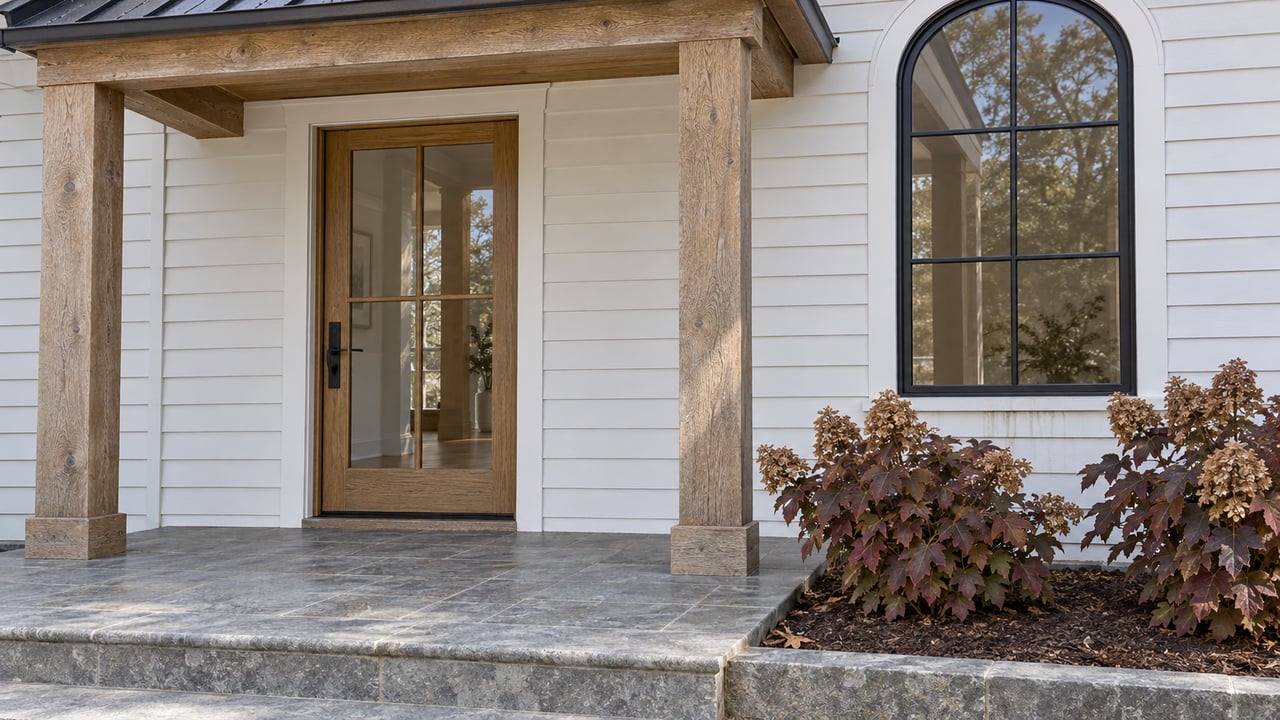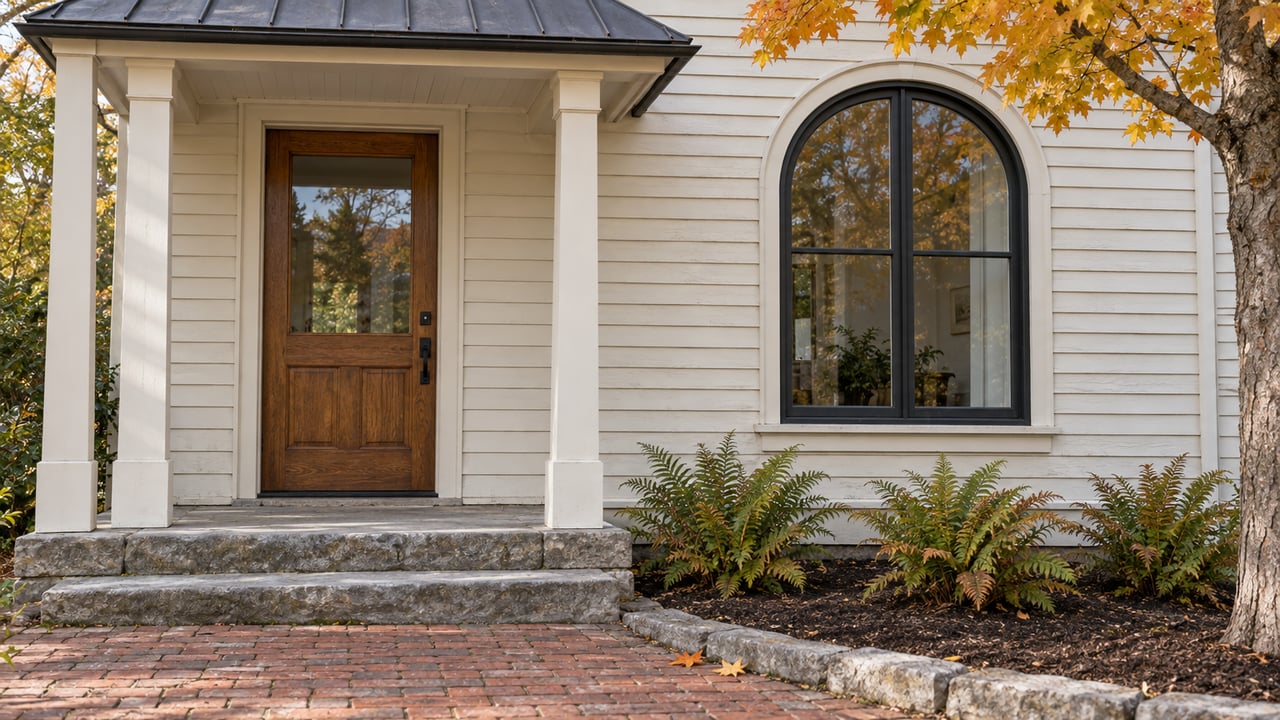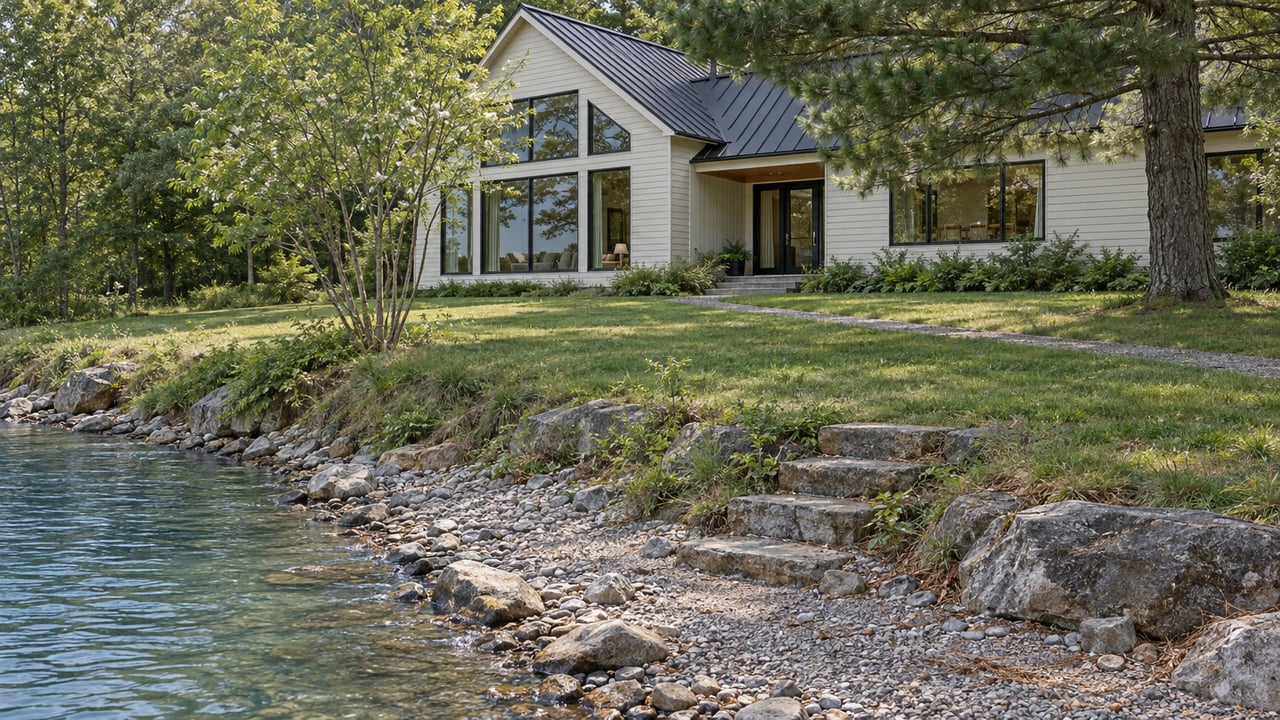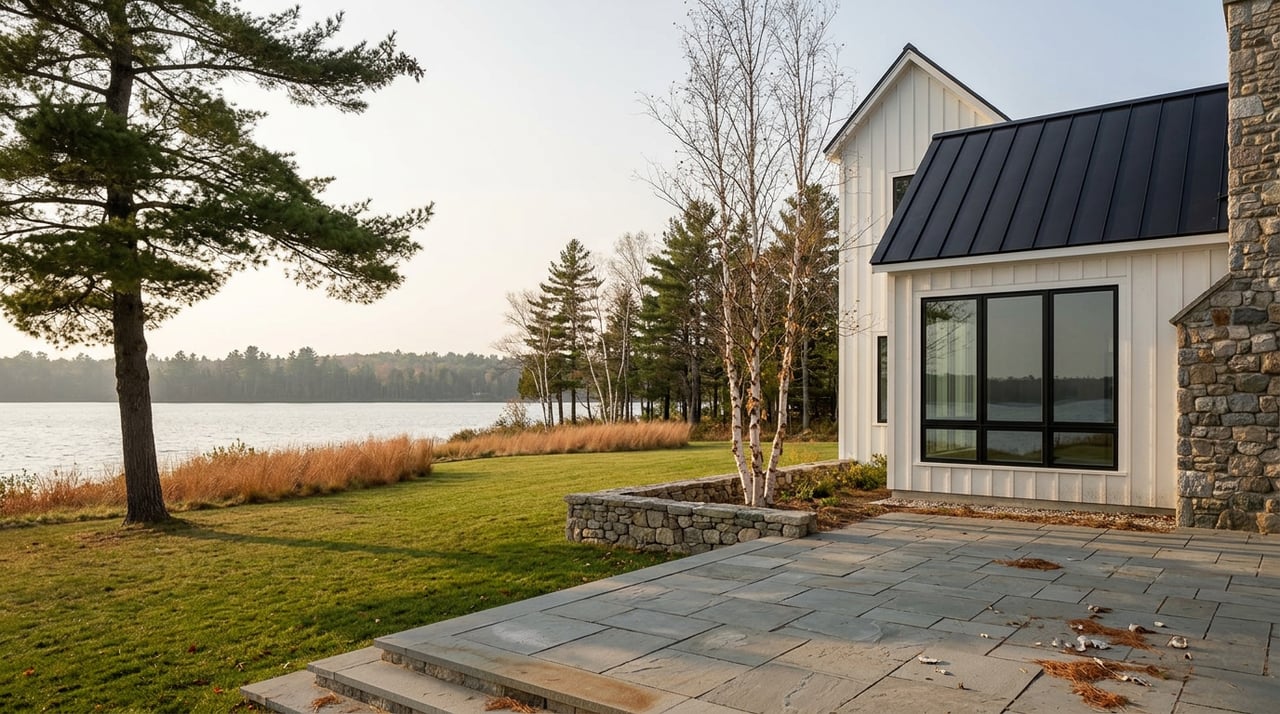
Trying to picture what a Tuesday feels like in Grand Traverse County? Imagine grabbing coffee downtown, a quick walk along West Bay, then an evening drive past vineyards with the windows down. If you are weighing a move, you want more than postcard moments. You want to know how daily life flows, what commutes feel like, and how seasons shape your routine. This guide walks you through the neighborhoods, practicalities, and everyday joys across Traverse City, 49684, and nearby Leelanau. Let’s dive in.
Grand Traverse life at a glance
Grand Traverse County centers on Traverse City and the blue sweep of Grand Traverse Bay. Within a short drive, you can move from a lively downtown core to quiet peninsulas lined with vineyards and farms. Many places sit 10 to 45 minutes from downtown, which means your routine can be as walkable or as rural as you choose.
Seasonality shapes everything. Summer brings visitors, beach days, and full events calendars. Fall settles into harvest and color tours. Winter shifts to snow sports and quieter restaurants in some villages. Spring is a shoulder season with reopenings and fresh starts.
Neighborhood snapshots
Downtown Traverse City
Walkable streets, an energetic food and arts scene, and year-round buzz define the core. You can work from a coffee shop, stroll to the marina, and meet friends for dinner on Front Street. Condo living and historic homes give you low-maintenance options or classic charm.
- Daily rhythm: Morning coffee or the market, daytime work or remote office, evenings out within a few blocks.
- Good fit if you want: Walkability, dining and nightlife at your doorstep, easy access to West Bay.
Midtown and South Traverse City
A mix of older and newer residential areas offers a comfortable suburb feel close to the action. You get parks, everyday shopping, and short drives to healthcare and downtown. Neighborhood streets stay active with dog-walkers and bikes.
- Daily rhythm: School drop-offs, errands nearby, quick trips downtown for dining or events.
- Good fit if you want: Suburban convenience with city access.
Old Mission Peninsula
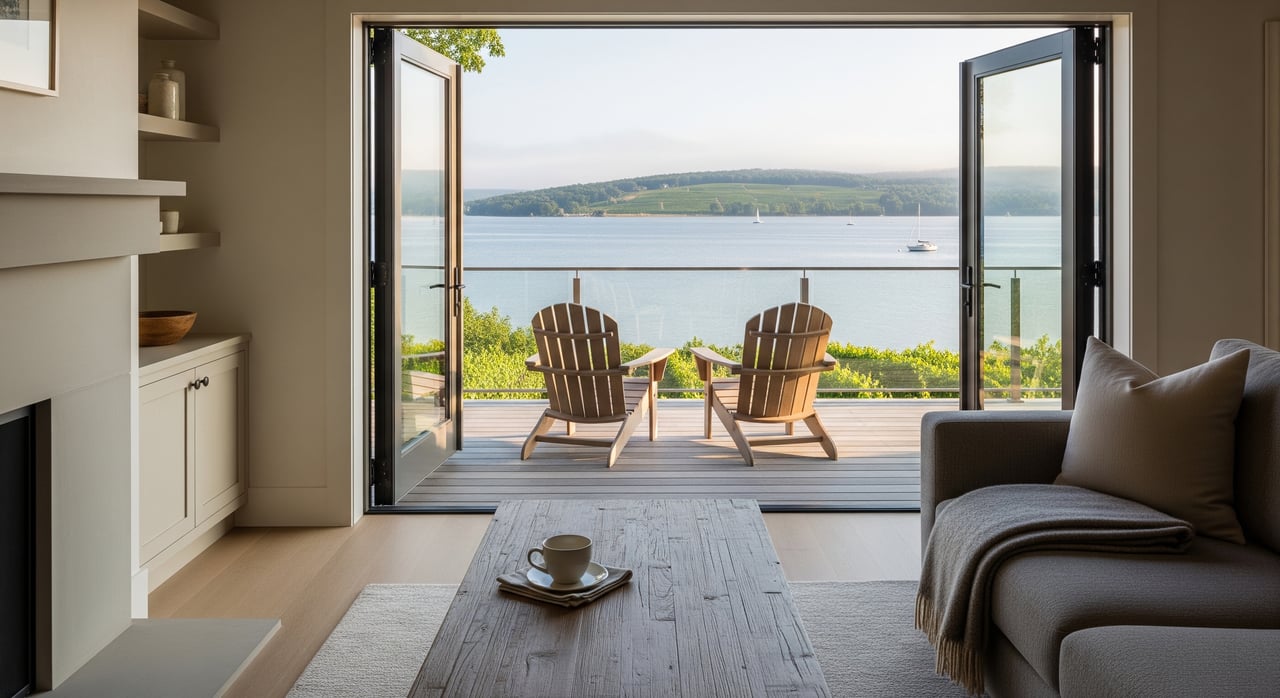
Vineyard-lined roads and bay views make even a grocery run scenic. Life feels rural, with small farms, tasting rooms, and quiet beaches. Most homes sit 10 to 30 minutes from downtown depending on the tip of the peninsula.
- Daily rhythm: Morning bay walk, midday errands in town, sunsets across the water.
- Good fit if you want: Rural charm, wine country drives, and a short city commute.
Leelanau Peninsula villages
Suttons Bay, Leland, and Northport offer small-town centers with marinas and shops. The area’s wine and agritourism scene hums in summer. Winters slow down, which many residents enjoy for the quiet and community rhythm.
- Daily rhythm: Farmers markets, tasting rooms, village shopping, beach days; plan ahead during peak summer hours.
- Good fit if you want: A village core, scenic waterfront drives, and seasonal variety.
East Bay, Acme, and Interlochen
This corridor blends residential neighborhoods with rural pockets. Interlochen is known for arts programming and a creative vibe. Trails, parks, and lakes are close by, and downtown is an easy drive.
- Daily rhythm: School or arts events, outdoor time at local parks, relaxed evenings at home.
- Good fit if you want: Quieter daily pace with city convenience and access to arts.
Rural backroads and lakefront pockets
Private lanes, wooded acreage, and cottages along inland lakes offer a retreat feel. You trade longer drives for privacy and nature. Maintenance can be higher, especially on waterfront and older properties.
- Daily rhythm: Yard and garden time, boating or hiking, planned trips to town for appointments and groceries.
- Good fit if you want: Space, privacy, and a second-home or year-round retreat.
Daily logistics that shape routines
Housing types and upkeep
You will find downtown condos, historic homes, suburban single-family options, lakefront cottages, farmhouses, and newer builds. Lakefront and older homes can need more maintenance due to weather exposure and systems like septic and wells. Vineyard or agricultural properties often involve specialized upkeep and zoning considerations.
- Tip: Confirm system types during due diligence, including well, septic, and any agricultural uses.
Utilities, taxes, and internet
Property taxes vary by township and assessed value. Downtown and many suburban areas connect to municipal water and sewer. Rural properties often use private wells and septic systems, and broadband coverage can vary in very rural pockets and on peninsulas.
- Tip: Verify utilities and broadband coverage before you make an offer. Service can differ across short distances.
Transportation and commuting
Most residents drive, and public transit is limited. Summer brings heavier traffic near beaches, village centers, and the Old Mission and Leelanau corridors. Cherry Capital Airport (TVC) provides commercial flights to regional hubs for easy travel.
- Tip: Test your likely routes during peak summer hours to gauge real commute times.
Healthcare and services
Healthcare, specialty care, and many professional offices cluster in Traverse City. Outlying townships have clinics and urgent care options. Expect to schedule most medical and specialty errands in town.
- Tip: If you plan to live on a peninsula or rural lake, map your healthcare and pharmacy routes ahead of time.
Schools and family routines
Multiple public school districts serve the region, with boundaries that cross city and county lines. Programs and extracurriculars vary by district. Families often choose based on commute, year-round services, and proximity to daily activities.
- Tip: Review district websites and state report cards, and visit schools to understand programs that match your needs.
Seasonality and your calendar
Summer is high season for beaches, marinas, dining, and festivals. Fall celebrates harvest and color with a slower pace. In winter, snow activities thrive, and some seasonal businesses reduce hours or close until spring.
- Tip: Plan flexible routines in July and August, then enjoy shoulder-season calm in spring and late fall.
Short-term rentals and zoning
Short-term rental rules vary by municipality. Licensing, occupancy limits, and taxes can differ across the city and townships. These rules affect income potential and neighborhood character.
- Tip: Check the specific township or city ordinance for any property you are considering, and confirm licensing requirements.
Insurance and weather risks
Coastal and lakefront properties can face shoreline and high-water considerations. Floodplains, shoreline setbacks, and winter weather exposures guide renovation and insurance decisions. Many owners add wind or hail endorsements when appropriate.
- Tip: Ask a local insurance agent for property-specific quotes, including flood exposure when relevant.
Weekends and weeknights
Water everywhere
Grand Traverse Bay and nearby inland lakes are the backdrop for daily life. Boating, kayaking, paddleboarding, and fishing are easy to fit into your week. Public beaches, marinas, and launches make access simple, while some lakefront owners use private docks.
Trails and parks
A network of trails and county parks supports walking, running, biking, snowshoeing, and cross-country skiing. Many residents build trail time into morning or evening routines. On weekends, popular state and national park areas to the west draw day trips.
Wine and agritourism
Old Mission and Leelanau peninsulas are dotted with wineries and tasting rooms. Scenic drives to farmstands and vineyards become part of regular life, especially during late-summer and fall harvest seasons. It is a social, low-key way to spend an afternoon.
Food and markets
Farm-to-table restaurants, local breweries and cideries, and year-round markets define the food scene. Grocery chains cover daily needs, and local shops carry specialty items like cherries, cheeses, and regional wines. Expect seasonal pop-ups and outdoor dining in summer.
Arts and events
Downtown galleries, small theaters, and music venues keep a steady calendar. Interlochen’s arts programming brings international talent and community excitement, especially in peak seasons. Festivals, including cherry-focused events, give you plenty of reasons to plan ahead.
Smart steps before you buy
- Visit in at least two seasons to feel both summer and winter rhythms.
- Drive your likely daily routes during peak summer hours to understand traffic.
- Confirm utility types, septic and well details, and broadband availability.
- Check school district boundaries and property tax details for the parcel.
- If rental income matters, verify short-term rental and zoning rules with the local municipality.
- Meet neighbors and visit a farmers market to sense community pace.
Work with a local advocate
Choosing where to live in the Grand Traverse area is about matching your daily rhythm to the right neighborhood. Whether you see yourself in a downtown condo, a family home near schools, a lakefront retreat, or a vineyard-view property, you deserve a guide who knows the nuances of each pocket. Our team provides buyer and seller representation across all price tiers, plus condo and development expertise, relocation support, and full-service seller marketing with staging and professional presentation. When you are ready to explore, connect with the local team that pairs neighborhood insight with a client-first approach. Reach out to Traverse City Real Estate to Schedule a Consultation.
FAQs
What is the commute like across Grand Traverse County?
- Most people drive, and typical commutes range from about 10 to 45 minutes to downtown depending on location and season; expect slower summer traffic near beaches and peninsula corridors.
Which Grand Traverse and Leelanau areas are walkable if I want to live near 49684?
- Downtown Traverse City is the most walkable, and Leelanau villages like Suttons Bay and Leland offer compact, walkable cores; most suburban and rural areas are car dependent.
Is Grand Traverse County better for year-round living or vacation homes?
- Both are common; look for strong heating and insulation, reliable winter access, and proximity to year-round services if you plan to live here full time.
How reliable is internet and cell service in rural or peninsula locations?
- Coverage has improved but can be variable in very rural pockets; verify provider coverage maps and service speeds for any specific address before you commit.
How do short-term rental rules affect buying in Traverse City and nearby townships?
- STR rules differ by municipality, and may include licensing, occupancy limits, and taxes; check the current ordinance for the specific city or township before you rely on rental income.