Thinking about selling in Grand Traverse County or Leelanau and wondering how long it really takes? You are not alone. A clear timeline helps you plan repairs, moving dates, and your next purchase with less stress. In this guide, you will see a simple, local step‑by‑step path from first meeting to closing, plus key rules like Michigan’s Seller Disclosure, lead‑paint requirements, and Leelanau’s Time‑of‑Transfer program. Let’s dive in.
How fast homes sell here
Grand Traverse County typically runs at a moderate pace, with many listings taking about two to three months to secure an offer when priced and presented well. Leelanau County often runs slower, especially for higher‑end or waterfront properties, which can extend the marketing window. Your exact timing depends on price, condition, and season. Plan for several weeks of pre‑listing prep, a variable on‑market window, then 30 to 45 days from offer to close for financed buyers.
Step 1: Plan and price (1–7 days)
Start with a strategy session and a comparative market analysis. You will review recent local sales, define your buyer segments, and set a pricing plan that fits your goals and the neighborhood’s reality. This is where the right listing agent adds real value through nuanced local comps and negotiation strategy.
- What you do: Set your target timeline and moving plan. Share updates and repairs you have completed.
- What your agent does: Build a pricing model, outline a marketing plan, and advise on small improvements that protect your net.
Step 2: Prep and staging (1–6 weeks)
Most homes benefit from basic touch‑ups like paint, lighting, landscaping, and deep cleaning. Older homes or those with deferred maintenance may need more time. Many sellers choose a limited pre‑listing inspection to flag major issues early so they can repair now or disclose and price accordingly.
- Simple touch‑ups: often 1 to 2 weeks.
- Larger repairs or permits: can extend to multiple weeks or longer.
- Staging plan: focus on light, space, and flow so your photos and showings shine. National data shows that professional staging and presentation improve buyer perception and outcomes. You can review staging best practices from the National Association of Realtors at their page on staging and seller tips.
Step 3: Photos and launch (1–7 days)
Once your home is show‑ready, book professional photography, a 3D tour, and a floor plan. These assets drive online traffic and showing rates. A well‑known industry study highlights that hiring a professional photographer for listing photos pays off. Your listing can go live soon after photos return.
- What you do: Final tidy, hide valuables, confirm access instructions.
- What your agent does: Coordinate photos, tours, floor plans, and MLS distribution. Activate marketing across portals and social once the listing is live.
Step 4: Market to offer (varies by home)
In Grand Traverse County, many homes receive offers around the local median marketing time when they are priced and presented competitively. Leelanau County’s boutique and seasonal dynamics can add time, especially for specialty or waterfront properties. During this period, your agent tracks showing feedback, suggests price or presentation adjustments, and negotiates offers.
- Best case: days to a few weeks for well‑priced, move‑in‑ready homes.
- Typical case: several weeks to a few months, guided by local medians and season.
- Higher‑end or niche: longer windows are common.
Step 5: Contract to close (7–45 days)
Once you accept an offer, the clock shifts to financing, inspections, appraisal, and title. Financed purchases commonly take 30 to 45 days from mutual acceptance to closing, depending on lender speed, appraisal scheduling, and any title curatives. Cash purchases are faster, often 7 to 21 days when title and inspections are clear. For a deeper look at cash timing, see this guide to buying with cash.
Typical contingency windows are negotiated in the contract:
- Inspections: usually 5 to 14 days, often 7 to 10 locally. Here is a general overview of inspection timing and costs.
- Appraisal: often ordered right after inspections, scheduled about 7 to 14 days from order.
- Underwriting: plan for 1 to 3 weeks to clear conditions once the appraisal is in.
- Closing disclosure: the buyer must receive required disclosures at least 3 business days before closing.
Title work begins when the deal is opened with a title company. Curatives like unreleased mortgages or liens can add days to weeks. Local title providers handle payoff statements, tax prorations, and recording. You can preview a typical closing workflow with a Traverse City title office like Searchlight Title.
Local rules that affect timing
Michigan Seller Disclosure Act
Michigan requires sellers of most residential properties to complete a statutory Seller’s Disclosure Statement and deliver it to buyers before a binding purchase agreement is signed. If the disclosure is not delivered on time, buyers may have a right to rescind. Review the statute at the Michigan Seller Disclosure Act. Complete this form at listing and have your agent circulate it to prospects.
Lead‑based paint for pre‑1978 housing
If your home was built before 1978, federal law requires a lead‑paint disclosure, delivery of the EPA/HUD pamphlet, and an opportunity for the buyer to conduct a lead inspection or risk assessment, usually within 10 days unless waived. See a clear overview of the lead‑based paint disclosure requirements.
Leelanau Time‑of‑Transfer for septic and well
In Leelanau County, the Benzie–Leelanau District Health Department requires a Time‑of‑Transfer evaluation of onsite sewage systems and private wells when property transfers. Scheduling and reporting typically move in business‑day windows, although seasons and access can affect timing. Start early if your property has a septic or well. Learn more and request evaluations through the Benzie–Leelanau District Health Department.
In parts of Grand Traverse County, some townships also require septic and well evaluations at transfer. Requirements vary by township, so confirm for your parcel with the Health Department of Northwest Michigan.
Transfer taxes and recording
Michigan collects state and county transfer taxes at recording. The state rate is $3.75 per $500 of consideration and the county portion is commonly $0.55 per $500. Combined, this is roughly 0.86 percent of the sale price. By default, the seller remits these taxes unless the contract says otherwise. Local practice often has sellers paying the owner’s title policy as well, but this is negotiable. For recording steps and fees, check the Grand Traverse County Register of Deeds. Coordinate early with your title company to avoid day‑of‑closing surprises.
Common title issues
Unreleased mortgages, missing signatures, unpaid judgments, and probate gaps are the usual culprits. Your title partner will flag these in the commitment and work on curatives. The fastest path is to gather payoff statements, HOA details, and any special assessment info as soon as you accept an offer. A local title provider like Searchlight Title can help you understand timelines and documentation.
Three common timelines
- Fast cash sale: Minimal prep 3 to 7 days, photos and listing 1 to 3 days, then close about 7 to 21 days after acceptance if inspections and title are clean. See a quick primer on cash purchase timing.
- Typical financed sale: Pre‑listing 2 to 6 weeks, on‑market 2 to 12 weeks depending on price and condition, then 30 to 45 days under contract. Total often runs 2 to 4 months.
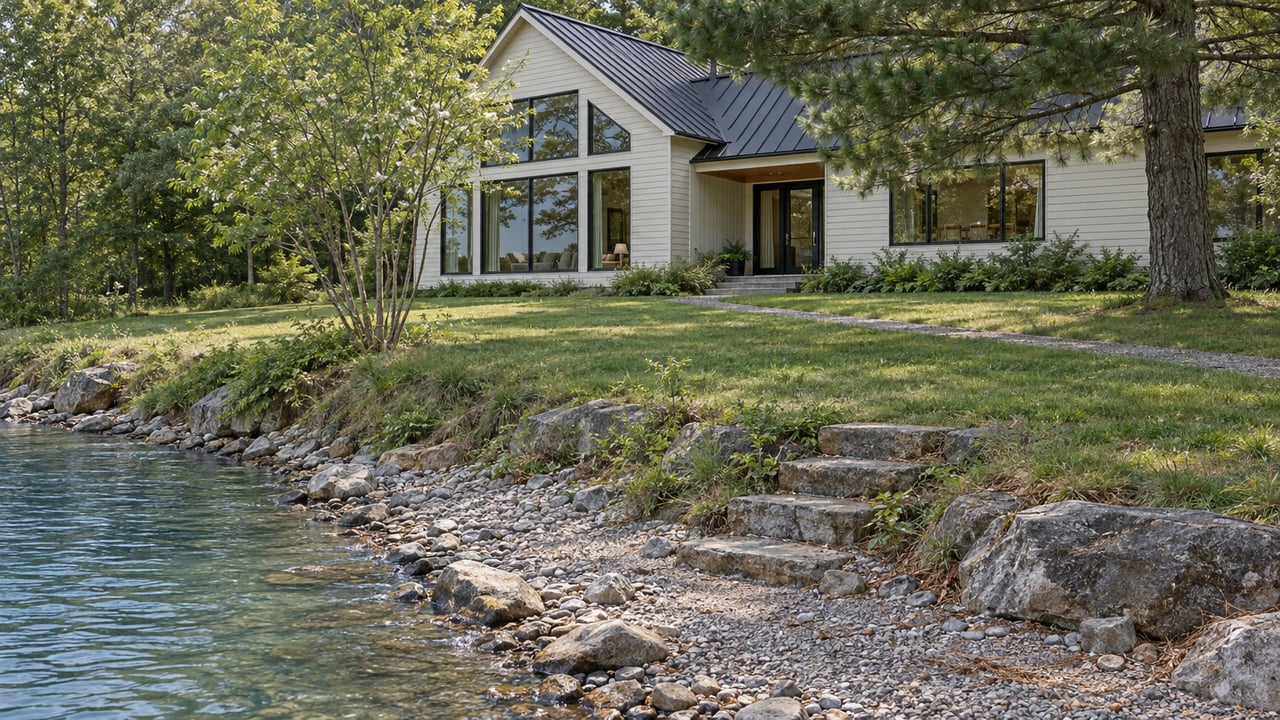
- Waterfront or specialty property: Add 2 to 8 weeks for Time‑of‑Transfer scheduling, shoreline permitting, or specialized inspections. The total timeline often extends by 1 to 3 months if repairs or permits are required. Review the Benzie–Leelanau District Health Department TOT process when planning.
Seller checklist
Start these items early to keep your sale on schedule.
- Gather documents: mortgage payoff statements, any HOA rules, deed, and survey if available. This speeds title clearance. A local office like Searchlight Title can outline what to pull.
- Complete the Michigan Seller’s Disclosure form before you go live and have your agent provide it to all prospects. See the Seller Disclosure Act.
- If built before 1978, prepare the federal lead‑paint pamphlet and acknowledgment. Review the lead‑based paint disclosure steps.
- If you have a private well or septic in Leelanau, contact the Benzie–Leelanau District Health Department to schedule the Time‑of‑Transfer evaluation. Do not wait until the final weeks.
- Book professional photos and a virtual tour after staging. The data is clear that pro listing photography boosts results.
- Consider a focused pre‑listing inspection for older homes to flag deal‑stoppers early. Complete key repairs now or plan to disclose and price accordingly.
- Confirm recording steps and transfer tax collection with your title company and the Grand Traverse County Register of Deeds.
How your agent speeds this up
The right listing partner reduces days on market and keeps your contract moving. Here is how a local, full‑service team helps:
- Accurate pricing: Data‑driven CMAs tuned to Grand Traverse and Leelanau micro‑markets.
- High‑impact prep: Staging guidance, trusted vendor referrals, and a clear plan to maximize first‑impression value.
- Best‑in‑class marketing: Professional photography, 3D tours, floor plans, and targeted distribution to reach the right buyers fast.
- Offer management: Skilled negotiation and clean contract terms that protect your timing and net.
- Compliance and logistics: On‑time delivery of Michigan disclosures, federal lead materials, and Title of Transfer coordination where required.
- Title and recording: Proactive coordination with local title offices and the register of deeds so your closing is smooth.
If you are mapping out a mid‑year move, begin planning 3 to 4 months before your target close. That window gives you time to prep, market, and close without rushing key steps like TOT evaluations or title curatives.
Ready to build your sale timeline and get your home market‑ready with polished marketing and local expertise? Connect with Traverse City Real Estate to schedule a consultation.
FAQs
How long does it take to sell a home in Grand Traverse County?
- Many homes move from list to offer near the local median marketing time when priced and presented well, then 30 to 45 days from offer to close for financed buyers. Cash deals can close in 7 to 21 days if inspections and title are clear.
What is the Michigan Seller’s Disclosure and when is it due?
- It is a statutory form you must complete and provide before a binding purchase agreement is signed. Failing to deliver it on time may give the buyer a right to rescind. Review the Seller Disclosure Act.
Do I need a lead‑paint disclosure for an older home?
- If the home was built before 1978, you must provide a lead‑based paint disclosure, the EPA/HUD pamphlet, and allow an inspection period unless waived. See an overview of lead‑paint disclosure rules.
Is a septic and well inspection required in Leelanau County?
- Yes. The Benzie–Leelanau District Health Department requires a Time‑of‑Transfer evaluation for properties with onsite sewage and private wells at sale. Start early through the BLDHD program.
Who pays Michigan transfer taxes at closing?
- By law the seller remits state and county transfer taxes unless the contract says otherwise. Local practice often has the seller paying the owner’s title policy too, although this is negotiable. Check recording steps with the Grand Traverse County Register of Deeds.