Thinking about buying a place in 49684 and turning it into a short-term rental? You’re not alone. Northern Michigan’s seasons bring steady traveler demand, but the rules are local, detailed, and easy to misread if you only look at a mailing ZIP. In this guide, you’ll learn how licensing, taxes, and septic rules work here, what steps to take before you buy, and where to find the official answers for a specific address. Let’s dive in.
Start with jurisdiction, not ZIP
ZIP codes cross boundaries. In this region, 49684 can include parcels in different cities or townships and even cross into neighboring counties. That means the rules change from property to property, sometimes within the same mailing area.
Your first step is to confirm the legal jurisdiction for the exact parcel. Use the Grand Traverse County parcel viewer in the county’s Mapping Gallery. Once you know the city, village, or township, you can check that municipality’s short-term rental page for current rules and applications.
How STR rules are organized
Short-term rentals in this region are governed at a few levels. Here’s who does what and how it affects you.
City and township rules
Cities, villages, and townships decide if and where short-term rentals are allowed. They set license types, caps, occupancy limits, fees, inspections, and neighbor-notice rules. For example, Traverse City runs a Vacation Home Rental and Tourist Home program with defined license categories and requirements. You can review the city’s process on the Vacation Home Rental program page.
County health and septic
If a home uses a private septic system or well, the Grand Traverse County Health Department often reviews records or conducts a site evaluation. Septic capacity can limit the number of bedrooms and guests. Many local license applications require a county septic status report. Learn about the process on the county’s On-Site Septic Systems page.
State taxes
Michigan requires collection and remittance of the state 6 percent use or sales tax on transient lodging, which generally means stays under 30 days. Some booking platforms collect state taxes on your behalf, but practices vary. Review the state’s guidance and register with Treasury as needed on the Michigan use and sales tax page.
What to expect locally
Rules vary by municipality, but most programs share a few themes. Here are the common elements you’ll see around Grand Traverse County and nearby Leelanau.
License types and caps
Many municipalities separate owner-occupied “tourist” or “hosted” rentals from whole-home “vacation home” rentals. Hosted rentals are often allowed in more zones. Whole-home rentals may be limited to certain districts or subject to caps. Township programs like Acme reference both categories in their short-term rental FAQs. East Bay Charter Township outlines licensing details, caps, and timing on its licensing FAQ portal. In the Village of Suttons Bay, the village maintains a permit system with limits and a complaint process described on the short-term rental permit page.
Fees, renewals, and transfers
Expect an application fee and annual renewals. Fee levels vary by municipality and by license type. Some programs are non-transferable when a property sells, while others offer a short window to transfer or reapply. Traverse City posts application and renewal details on its Vacation Home Rental program page. East Bay and Acme outline timing windows and fee structures in their license resources linked above. Always read the fine print if you plan to buy a property with an existing license.
Safety, occupancy, and inspections
Plan for life-safety requirements like smoke and carbon monoxide alarms, clear exits and egress, and sometimes a periodic fire or housing inspection. Many programs require proof of insurance and a 24/7 local contact who can respond to complaints. Occupancy is often tied to the number of bedrooms and septic capacity for homes on private systems. The county health review mentioned earlier is a key part of that calculation.
Advertising and listing rules
Many municipalities require you to include your local license number in all ads and listings, and to post house rules and emergency contacts inside the property. This is a common enforcement area. East Bay Township provides specifics in its licensing FAQ portal. Check your municipality’s clerk or licensing page for the exact language.
Enforcement and penalties
Operating without the proper license or ignoring conditions can lead to civil infractions, escalating fines, and injunctive relief. Peninsula Township’s public discussions and fine schedules, for example, illustrate how local boards enforce unauthorized STR activity. See coverage of enforcement actions in the region on Old Mission area reporting.
A note on 49684 and Leelanau
Because 49684 crosses municipal and county lines, a property with a 49684 mailing address might sit inside Grand Traverse County or in parts of Leelanau County. If your parcel lands in Leelanau Township, review the township’s permit and process details on the Leelanau Township short-term rentals page. If it is in the Village of Suttons Bay, use the village’s permit page linked earlier. Jurisdiction first, rules second.
Local STR property types
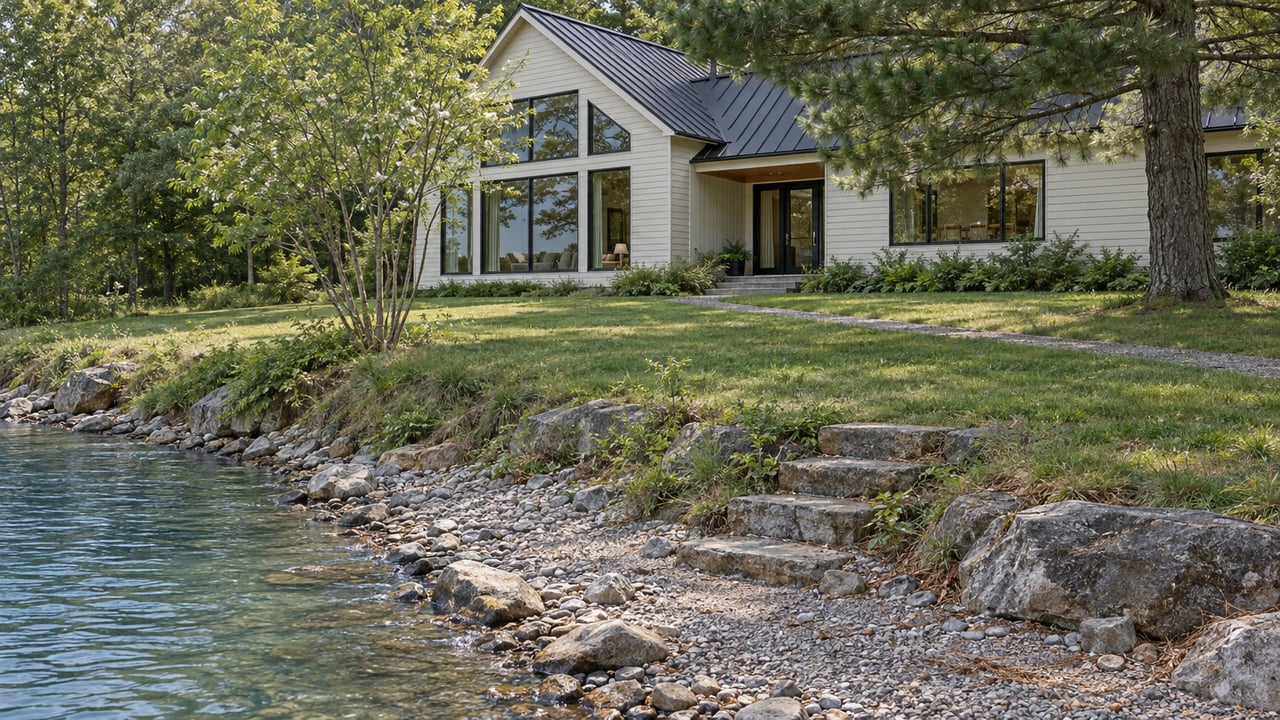
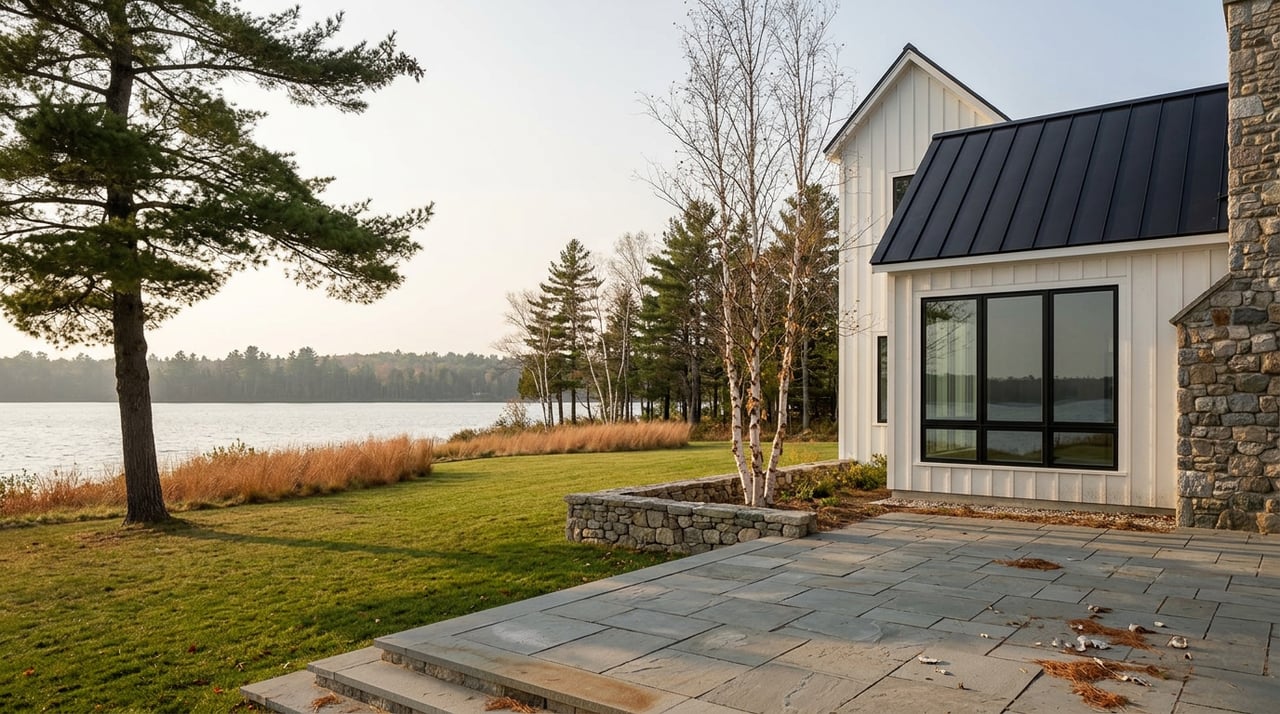
Across Grand Traverse and Leelanau, the most common STRs include lakefront cottages and cabins, whole-home bayfront properties, downtown condos and townhomes, and resort-area units near regional attractions. Listings tend to cluster near water, trailheads, and downtown Traverse City. Seasonal average daily rates can be strong, though performance varies by location, season, and property setup. For market context and tourism performance notes, see regional reporting like this summary from The Ticker.
Pre-purchase checklist
Use this checklist to frame your due diligence. Each step has local specifics, so confirm details with the municipality and county.
- Confirm the parcel’s city, village, or township using the county Mapping Gallery. Then call that office to verify current rules and whether caps apply.
- Verify that your planned rental type is allowed in the zoning district. Review the municipality’s STR or Vacation Home Rental page for application steps and definitions. Traverse City’s process is posted on the Vacation Home Rental program page.
- If the property is on a private system, contact Grand Traverse County Health for septic and well records or a site evaluation. See the On-Site Septic Systems page. Expect occupancy to align with system capacity.
- Register for Michigan’s state 6 percent tax on transient lodging and confirm whether your platform remits on your behalf. Start with the Michigan use and sales tax guidance.
- Talk with your insurance provider about STR coverage or endorsements. Some municipalities require proof of insurance for licensing.
- Line up a 24/7 local contact and prepare house rules. Plan to post emergency contacts and display your local license number in ads where required. East Bay’s licensing FAQ portal is a useful example of advertising and contact rules.
- Create a parking plan that meets local standards and prepare any required neighbor notifications. Township pages like Acme’s STR FAQ describe typical expectations.
- Organize records for renewals and audits. Keep inspection certificates, septic forms, guest logs, and tax remittance records. Municipal programs like Traverse City’s describe inspection cycles and renewal steps on the program page.
How we can help
If you’re weighing a condo near downtown, a cottage on the bay, or a home in a nearby township, you want clarity before you write an offer. Our team helps you pinpoint jurisdiction, navigate local resources, and coordinate the due diligence that sets you up for a compliant, profitable rental plan. We pair neighborhood knowledge with a practical process so you can buy with confidence and avoid surprises at closing.
Ready to explore properties and map out your STR path in 49684 and beyond? Connect with Traverse City Real Estate to schedule a consultation.
FAQs
What does ZIP 49684 mean for STR rules?
- A mailing ZIP does not control the rules. Use the county Mapping Gallery to find the city, village, or township, then follow that municipality’s STR page.
Are short-term rentals allowed in Traverse City limits?
- Traverse City operates a licensing program that defines where and how STRs can operate. Review categories, fees, and steps on the city’s Vacation Home Rental program page.
How are occupancy limits set for septic homes?
- Occupancy often aligns with bedroom count and septic capacity. Many municipalities require a county health review; start with the On-Site Septic Systems page.
Do I need to list my license number in ads?
- In many municipalities, yes. Advertising without a valid license number can trigger enforcement. East Bay outlines this in its licensing FAQ portal.
Are STR licenses transferable when a property sells?
- Rules vary. Some programs are non-transferable, while others give a short window to transfer or reapply. Check the municipality’s licensing page or clerk for the current policy.
What taxes apply to short stays in Michigan?
- The state 6 percent use or sales tax applies to transient lodging, and platforms may or may not remit it for you. Review details on the Michigan tax guidance page.
What are the penalties for operating without a license?
- Violations are often civil infractions with escalating fines, and local boards can pursue injunctive relief. See enforcement examples in regional coverage like Old Mission area reporting.
My 49684 address is in Leelanau Township. Where do I apply?
- Follow Leelanau Township’s process as posted on the short-term rentals page. If you are within the Village of Suttons Bay, use the village’s permit page.