Wondering whether your best fit in Antrim County is a home on the water or one tucked into the trees? It is a common question in the 49629 area, especially since lake access, wooded acreage, and open countryside can all exist within a short drive of each other. If you are weighing lifestyle, upkeep, and long-term fit, this guide will help you compare the two paths more clearly. Let’s dive in.
Why the choice feels unique here
Antrim County offers two very different versions of northern Michigan living. The county is small and rural, with an estimated 24,698 residents in 2025 and about 49.3 people per square mile across 475.68 square miles of land. That low-density setting shapes how homes feel, whether you are near the shoreline or farther inland.
The landscape also changes from one area to the next. State sources describe a mix of agricultural land, forest, swamp, orchards, and vineyards across the county. In real terms, that means a lakefront home and a countryside home can offer very different day-to-day experiences, even if they are only minutes apart.
In and around 49629, you are also close to the Chain of Lakes corridor. That includes access points tied to Elk Rapids and a broader network of well-known lakes such as Torch Lake, Elk Lake, Lake Bellaire, Clam Lake, Intermediate Lake, and Skegemog Lake. So when you compare home types here, you are usually not choosing between nature and no nature. You are choosing between a water-centered lifestyle and a land-centered one.
What lakefront living really means
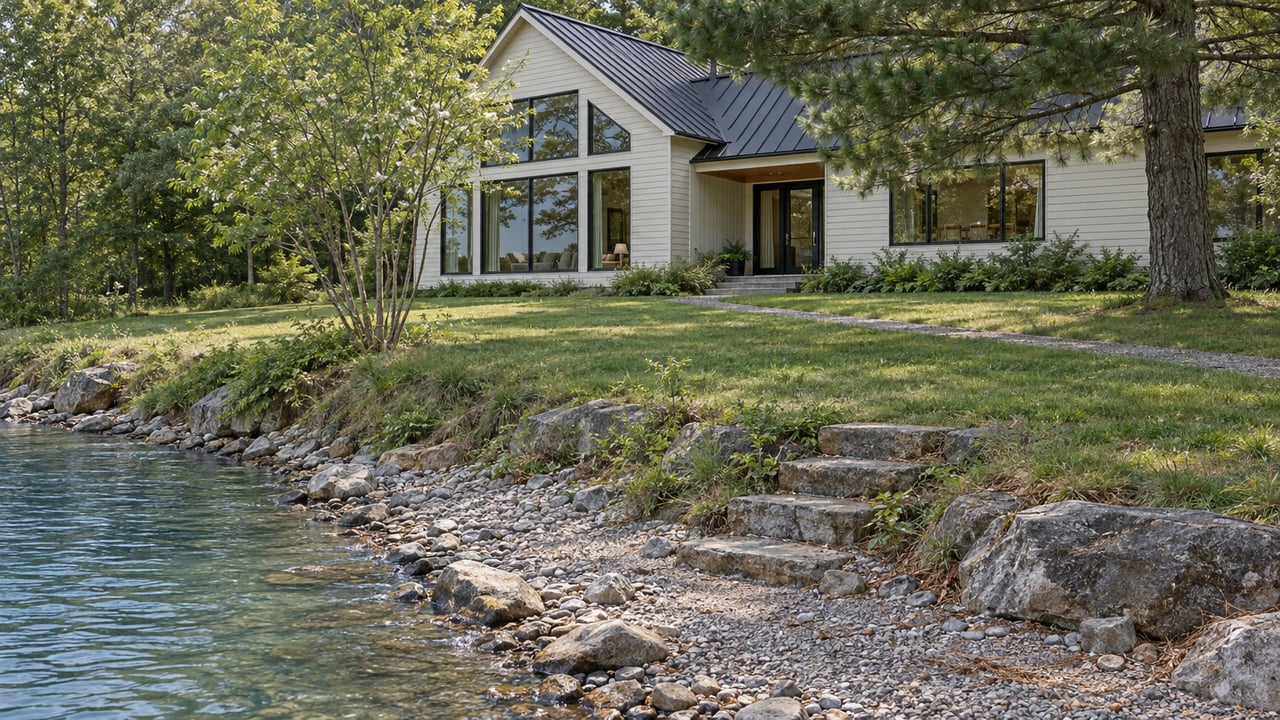
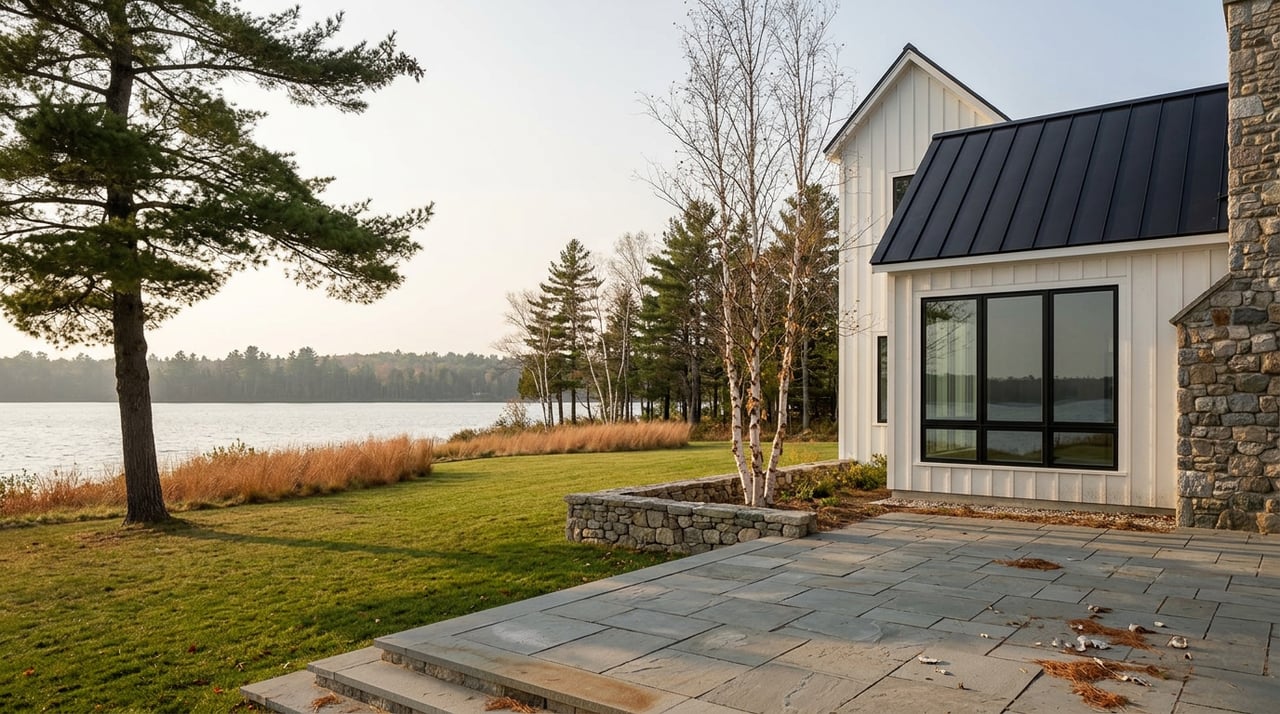
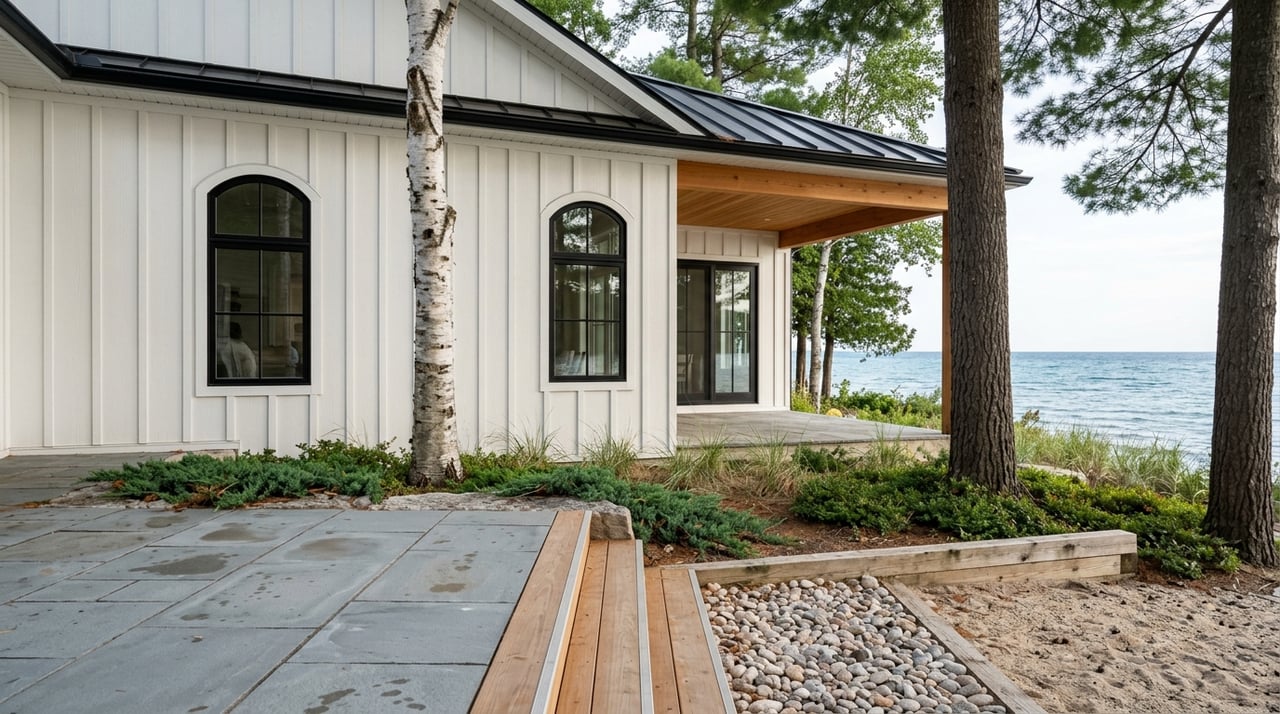
Lakefront ownership in Antrim County is usually about more than the view. For many buyers, the biggest draw is direct access to the water for boating, paddling, swimming, or simply stepping outside and being right at the shoreline. If daily water use is a top priority, lakefront can be hard to match.
The local water network is a big reason why. The Chain of Lakes Water Trail stretches across four counties, 12 lakes, and 84 access sites, connecting communities such as Elk Rapids, Bellaire, Central Lake, and Ellsworth. That creates a lifestyle where water recreation can connect naturally with restaurants, retail, outfitters, and art galleries nearby.
Even beyond private frontage, the area supports an active outdoor lifestyle. Clear Lake State Park offers an accessible boating site, swimming, paddlesports, hiking, mountain biking, winter camping, and ORV access to nearby trails. That broader setting adds to the appeal of owning near the water.
Lakefront benefits to consider
If you are deciding whether the premium for waterfront is worth it, these are often the biggest advantages:
- Direct shoreline access
- Easier boating and paddling convenience
- Water views as part of daily living
- Strong connection to the Chain of Lakes lifestyle
- Close ties to nearby waterfront communities and access sites
What lakefront ownership can add
Lakefront homes can also come with a more complex ownership profile. In Michigan, inland-lake shorelines are regulated because shoreline protection structures can affect natural resources and neighboring properties. That matters if you plan to make changes to the shoreline or install water-related improvements.
For example, the Michigan Department of Environment, Great Lakes, and Energy says permanent docks or boat hoists left up year-round require a permit. Beach sanding and dredging also require permits. If you are buying a waterfront property, it is smart to think about not only how you will use the shoreline, but also what is involved if you want to change it.
Shore conditions can also shift over time. State shoreline guidance notes that erosion and shore conditions are variable, and natural shoreline treatments are generally recommended when possible instead of hard armoring. That means maintenance is not always just seasonal. It can also involve longer-term planning around stability and preservation.
On Great Lakes frontage in parts of Antrim County, High Risk Erosion Area maps also come into play. In the City of Elk Rapids, Elk Rapids Township, Milton Township, and Torch Lake Township, a permit may be required for structures, additions, or septic systems on a designated HREA parcel. If a property falls in one of those areas, that should be part of your review before you buy.
Key lakefront upkeep items
Before choosing a lakefront home, think through the ongoing responsibilities that often come with it:
- Shoreline stability
- Seasonal dock and hoist setup or storage
- Vegetation management near the water
- Permit-sensitive improvements
- Possible erosion or changing shore conditions over time
What countryside homes offer
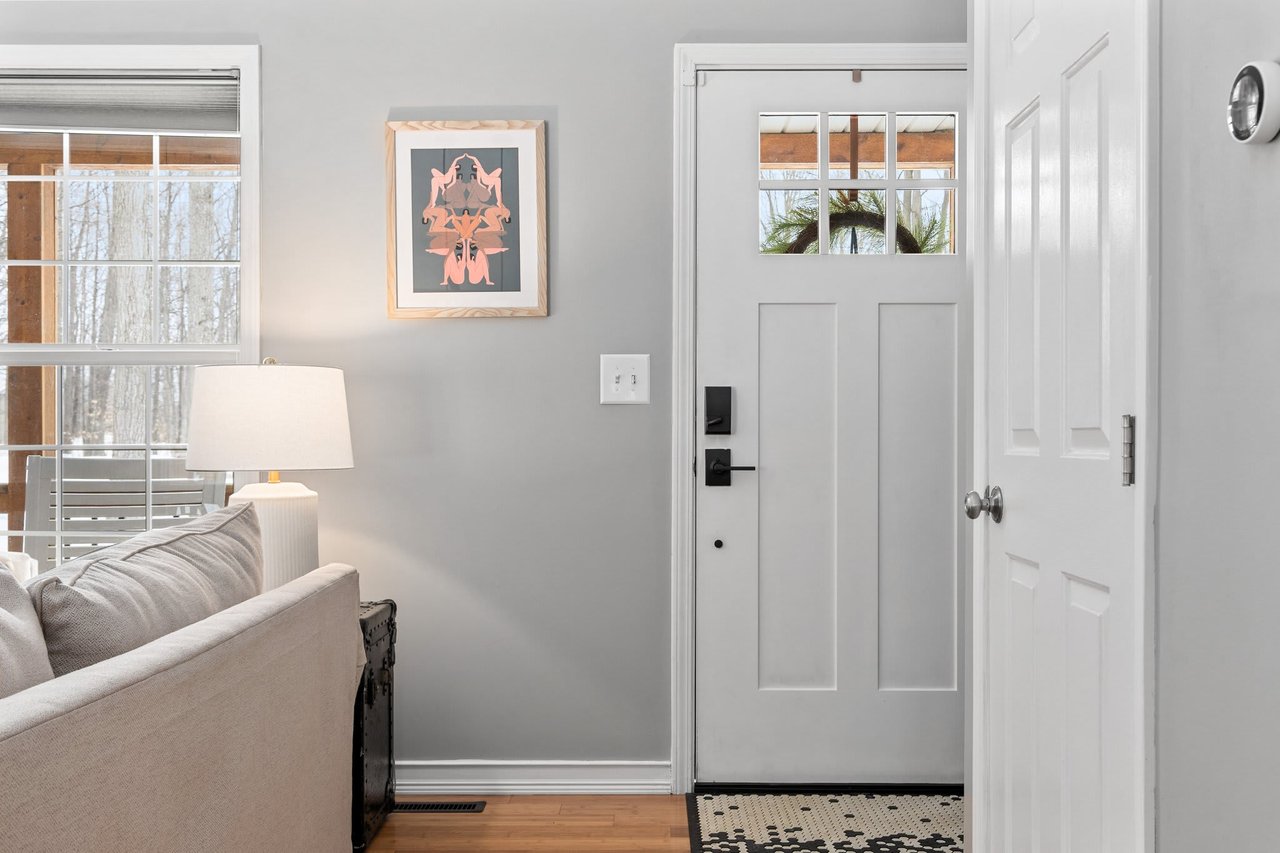
If lakefront living is water-centered, countryside and wooded homes in Antrim County are often space-centered. These properties usually appeal to buyers who want more privacy, more tree cover, and a stronger sense of separation from neighboring homes. In a rural county like Antrim, that can be a major quality-of-life difference.
The county’s inland landscape supports that feel. State wildlife management information notes that about 81 percent of the available deer range in Antrim County is privately held, and much of the non-agricultural private land is forested with upland forests and swamp complexes. Public land is concentrated more around the Jordan River and its tributaries, which helps explain why many inland homes feel quiet, wooded, and removed.
For some buyers, that setting is the point. You may want room for outdoor hobbies, a longer driveway, open views, or a home site that feels more private than a shoreline parcel. If that sounds like your version of northern Michigan, a countryside home may fit better than a waterfront address.
Countryside benefits to consider
A countryside or wooded home is often the better match if your priorities include:
- More privacy
- Greater tree cover
- Acreage or flexible land use
- A quieter setting away from shoreline activity
- A lifestyle focused more on land-based recreation
What countryside ownership can add
The maintenance profile changes when you move away from the shoreline. Instead of focusing on docks and shoreline permits, you are more likely to focus on wells, septic systems, tree care, driveway upkeep, and land management. That does not always mean less work. It usually means a different kind of work.
Michigan guidance recommends annual private well testing for coliform bacteria and nitrates. The state also says septic systems should be inspected yearly and serviced regularly. If you are looking at an inland or wooded property, these systems should be part of your regular ownership planning.
Spacing rules matter too. Michigan sets a minimum 50-foot isolation distance between a single-family private well and a septic system. Septic separation from lakes, rivers, and other surface water bodies is also at least 50 feet, with the possibility of greater distances under local sanitary codes.
For buyers who enjoy recreation on land, these homes can align well with the broader region. Michigan state forests are open to activities such as hiking, camping, ORV riding, hunting, snowmobiling, cross-country skiing, and fishing. In other words, choosing inland does not mean giving up outdoor access. It may simply mean shifting how you use it.
Compare lifestyle first
When buyers feel stuck between these two options, lifestyle is usually the best place to start. Price matters, of course, but your day-to-day routines often reveal the better answer faster than anything else. Ask yourself how you want to spend an average week here, not just a perfect summer weekend.
If you picture morning coffee by the shore, easy paddling after work, and frequent time on the water, lakefront may be the better fit. If you picture privacy, wooded views, room to spread out, and fewer shoreline-specific logistics, the countryside may feel easier and more natural.
A simple way to frame it is this: lakefront supports daily water access, while countryside supports privacy and land flexibility. Both can deliver a strong northern Michigan lifestyle. The right choice depends on what you want to live with every day.
Compare maintenance and costs
A practical budget lens can help narrow the decision. In Antrim County, recurring costs often follow the land’s relationship to water. That makes it useful to think beyond the purchase price.
On the lake side, costs and responsibilities tend to cluster around shoreline work, docks or hoists, and improvements that may involve permits. On the inland side, recurring ownership costs tend to center on wells, septic systems, tree care, driveway maintenance, and general land upkeep.
Here is a simple comparison:
| Home type | Common priorities | Common upkeep focus |
|---|---|---|
| Lakefront | Water access, views, boating, paddling | Shoreline care, dock or hoist logistics, permit-sensitive improvements |
| Countryside/Wooded | Privacy, acreage, flexibility, tree cover | Well testing, septic care, tree management, driveway and land upkeep |
Neither option is automatically easier. The better choice is the one whose maintenance profile matches your lifestyle and comfort level.
Questions to ask before you buy
No matter which direction you are leaning, a few practical questions can help you compare homes more confidently:
- How often will you realistically use the water if you buy lakefront?
- Are you comfortable with shoreline rules, permits, and seasonal dock logistics?
- Do you want direct access, or would nearby public access meet your needs?
- If you buy inland, are you comfortable maintaining a well and septic system?
- How much privacy, tree cover, or acreage do you want?
- Do you prefer recreation centered on water, land, or a mix of both?
These questions can quickly move the decision from abstract to practical. They also help you focus on how a home will function after closing, not just how it feels during a showing.
The best fit for your goals
In the 49629 area, both lakefront and countryside homes can offer a strong connection to northern Michigan. The difference is usually not whether the setting is beautiful. It is whether you want your home to revolve around shoreline access or around space, privacy, and inland flexibility.
Lakefront is often the better fit when direct water use, views, and boating convenience are at the top of your list. Countryside and wooded homes are often the better fit when privacy, acreage, and a maintenance profile that avoids shoreline permits matter more. If you start with your lifestyle and then compare the ownership demands of each, the right path usually becomes much clearer.
If you are weighing lakefront versus countryside in Antrim County, Traverse City Real Estate can help you compare properties with a local, practical lens and find the option that truly fits how you want to live.
FAQs
What is the main difference between lakefront and countryside homes in Antrim County?
- Lakefront homes are usually better for direct water access, views, and boating or paddling convenience, while countryside homes are often better for privacy, acreage, and land-based flexibility.
What should buyers know about lakefront permits in Antrim County?
- Michigan guidance says permanent docks or boat hoists left up year-round require a permit, and beach sanding or dredging also require permits.
What maintenance comes with a countryside home in Antrim County?
- Countryside homes often involve private well testing, septic inspection and service, tree care, driveway upkeep, and general land management.
Are wooded homes in Antrim County still close to recreation?
- Yes. State forests in Michigan are open to activities like hiking, camping, ORV riding, hunting, snowmobiling, cross-country skiing, and fishing, and some parks also offer boating and paddlesports access nearby.
How do buyers choose between lakefront and inland homes near 49629?
- Start by comparing your daily lifestyle goals, how much privacy you want, how often you will use the water, and which maintenance responsibilities you feel most comfortable handling.