Morning coffee on a quiet lake. Sand between your toes by noon. A sunset paddle after dinner. If that sounds like your kind of day, you’re in good company. Many second‑home buyers and longtime Michiganders choose Leelanau County for its small‑town pace, clear water, and easy access to beaches and trails. In this guide, you’ll learn how cottage life actually works here, from typical property styles and seasonal rhythms to practical ownership tips and local rules. Let’s dive in.
Where Leelanau’s cottages are
Cedar and 49621 at a glance
If you’re browsing in ZIP 49621, you’re looking at the community of Cedar in southern Leelanau County. Cedar sits within Solon and Centerville Townships, close to inland lakes and a short drive to Lake Leelanau, Glen Arbor, and Sleeping Bear Dunes. For a quick primer, see the overview of Cedar, Michigan.
Leelanau County is small, with about 22,800 residents, a high rate of owner occupancy, and a median owner‑occupied housing value around $458,400 based on recent American Community Survey data. You can explore these figures in U.S. Census QuickFacts for Leelanau County.
Getting here and getting around
Traverse City is the hub for flights, services, and healthcare. From Traverse City, most Leelanau villages are an easy drive, and Glen Arbor typically sits about 30 to 45 minutes away depending on your route. Summer traffic is busiest near beach and park gateways, especially on weekends.
Cottage types you’ll find
Classic Up North cottages
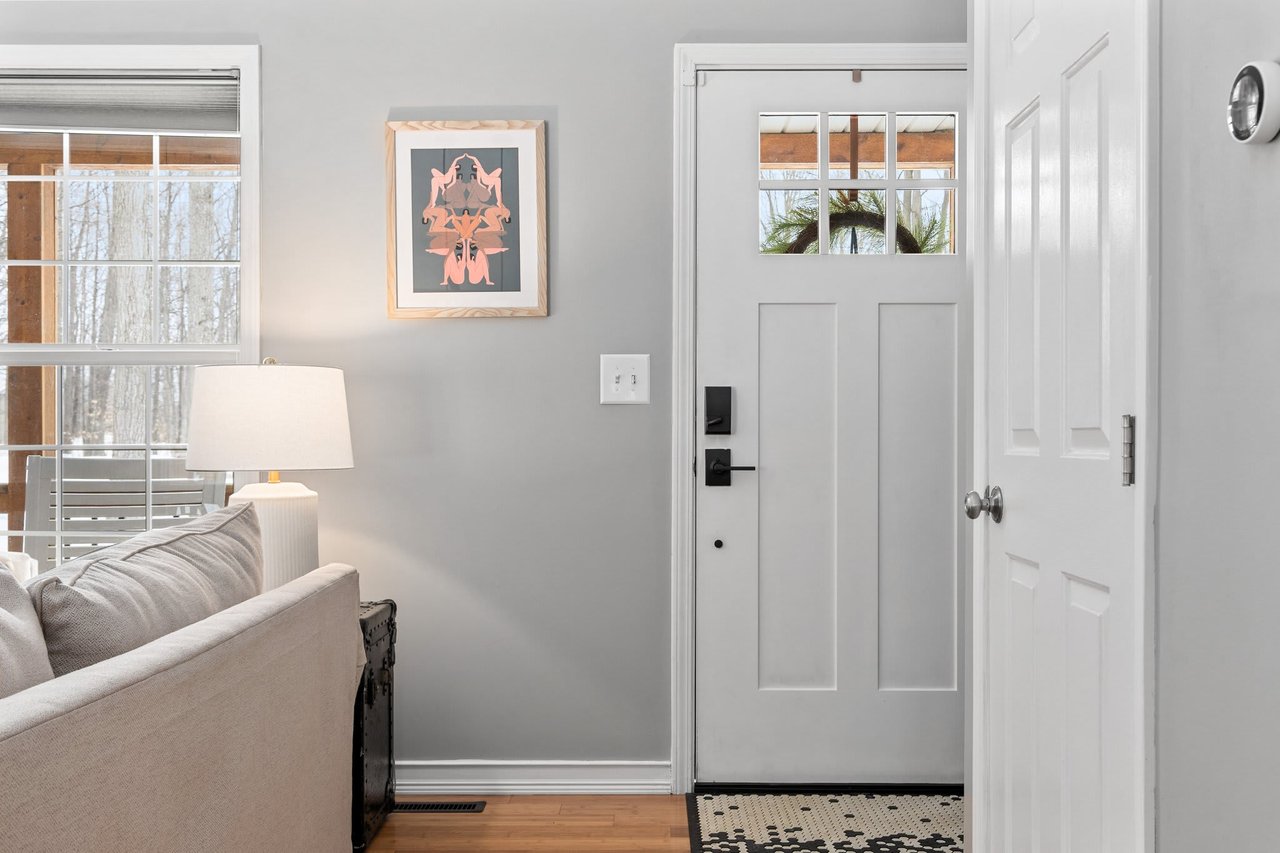
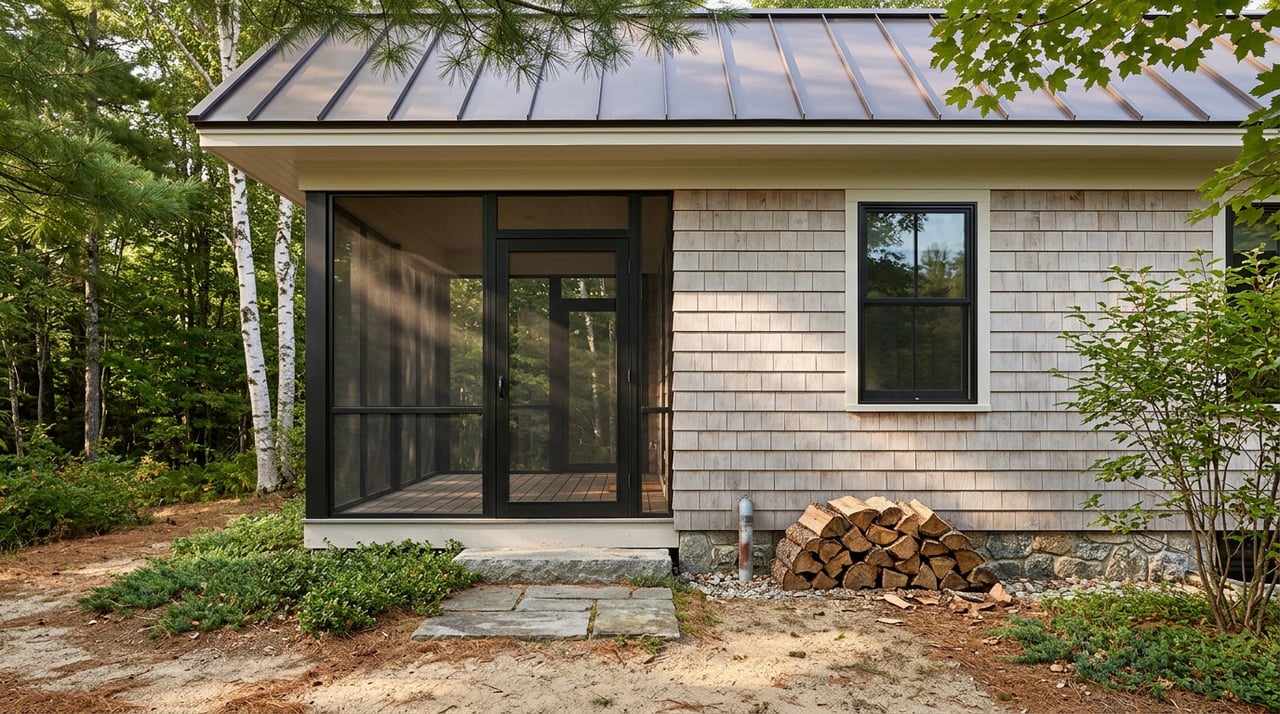
You’ll see a lot of the “Up North” look: compact, cozy cabins with knotty‑pine interiors, screened porches, bunk rooms or lofts, and simple kitchens. Many were built as summer getaways and later winterized. Expect 1 to 2 bedrooms plus extra bunks, and an emphasis on shared living spaces.
Modern lakeside homes
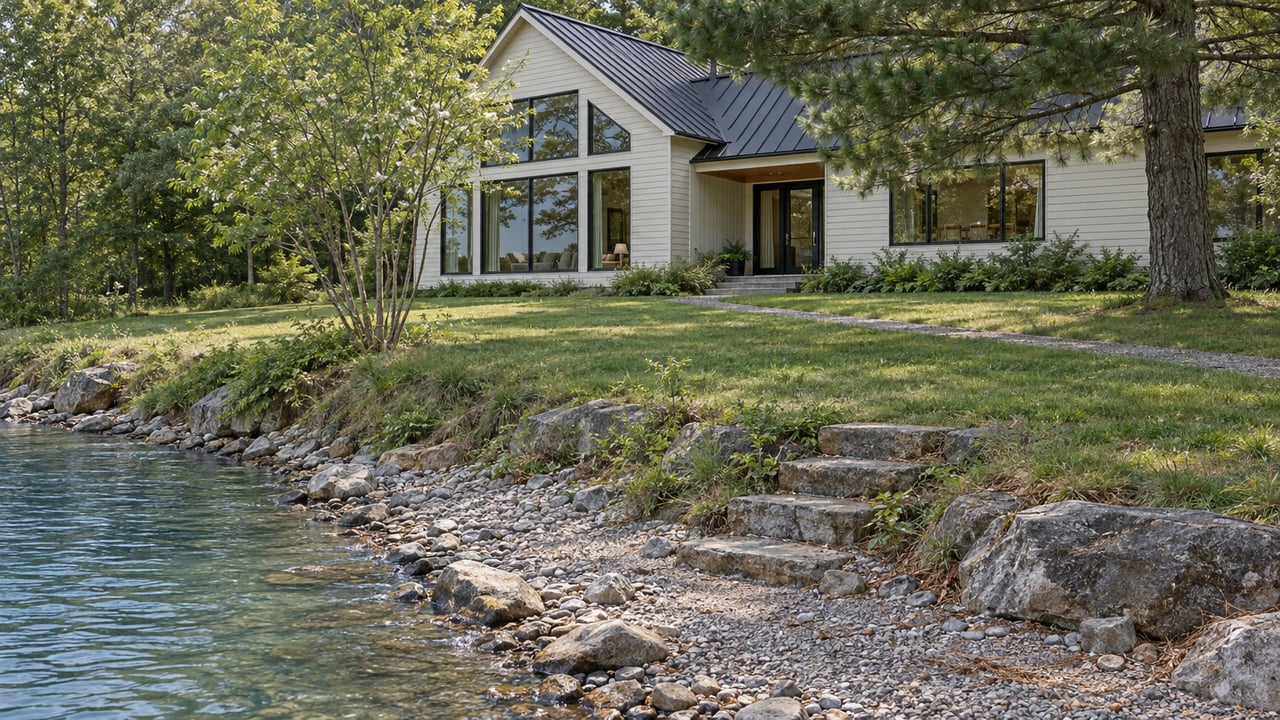
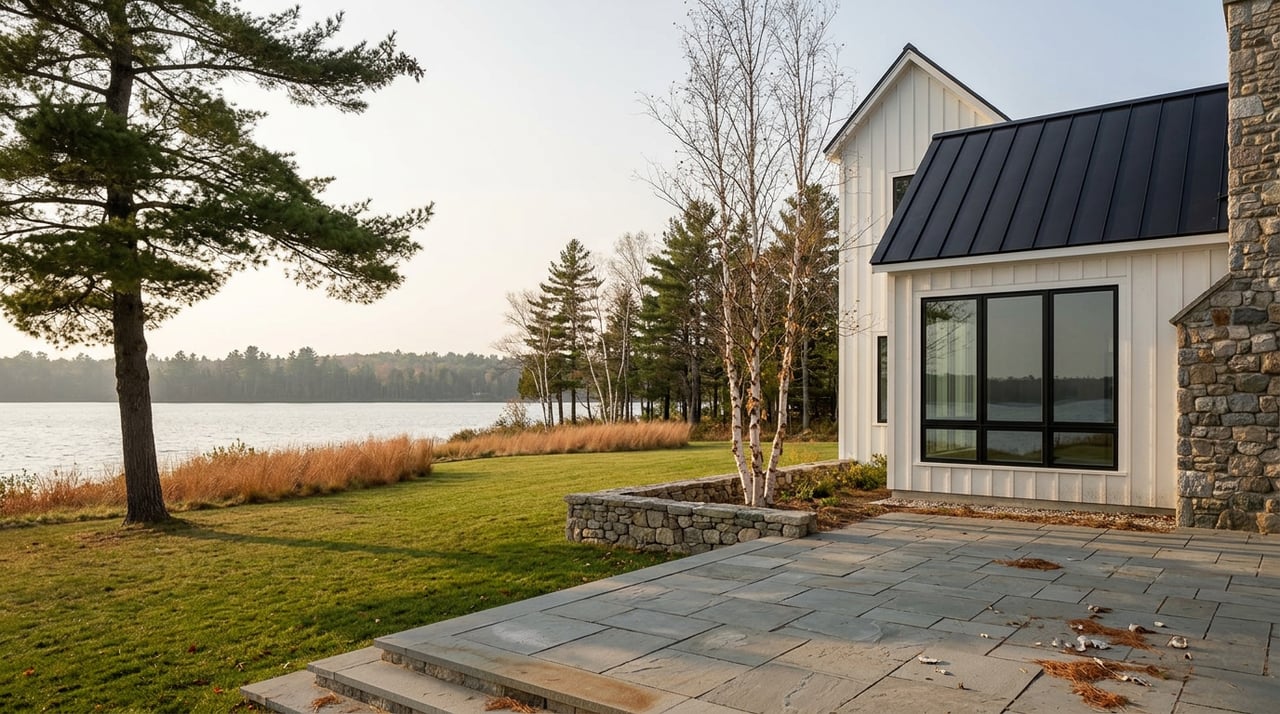
On parcels that allow it, some owners have built larger, view‑forward homes with big windows, multi‑level decks, and full basements. Designs lean modern‑traditional with practical storage for gear, plus systems that support year‑round living.
Historic waterfront structures
In Leland’s Fishtown and a few legacy clusters, you’ll find historic fishing shanties and boathouse‑style buildings that define the local waterfront look. Many have been carefully updated to meet modern standards while preserving character.
Lots, shorelines, and access
Private vs. shared frontage
Private lakefront with a dock is the gold standard, but not every parcel allows a permanent dock. Many cottages rely on seasonal docks, and permits vary by location. In older cottage neighborhoods, you’ll also see deeded shared access or small community beaches. Where you do not have private frontage, day outings are easy thanks to municipal beach and park listings across the county.
Marinas and launches
Leland, Suttons Bay, and Northport offer full‑service marinas and municipal docks for slips and transients. Inland lakes typically have public launches, though trailer parking fills early on peak days. Boat rentals and fishing charters are common in harbor towns.
Seasonal rhythm: how you’ll actually use it
Peak summer: late May through Labor Day
Memorial Day through August brings the most activity. Families stack week‑long stays, and many owners use July and August for extended visits or to host guests. Nearby Sleeping Bear Dunes National Lakeshore draws roughly 1.5 million visits annually, which explains why lots, trailheads, and popular beaches can fill quickly on bluebird days. Check the Sleeping Bear visitation data to understand seasonal flow.
Shoulder seasons: spring and fall
Late spring and early fall are a sweet spot if you prefer lighter traffic and cooler water. In October, the Peninsula’s color show is a favorite for day hikes and scenic drives. Some restaurants and shops shift to shorter hours outside summer, which many owners appreciate for the calmer pace.
Winter: quiet and project‑friendly
Smaller cottages are often closed and winterized until spring. Year‑round homes need insulation, reliable heat, and backup power for cold snaps. Winter is a great time to tackle interior updates without juggling guests or summer plans.
Day‑to‑day living: beaches, parks, and villages
You’ll have a mix of Great Lakes beaches, inland lake parks, and village greens for picnics or sandy afternoons. Glen Arbor, Empire, Suttons Bay, Leland, and Northport each have public access points, plus nearby marinas. If you plan to kayak, paddleboard, or boat, ask about storage and shoreline rules during showings. On peak days, arrive early for parking at popular spots and trailheads, and keep a backup plan for alternate beaches.
Ownership basics you should know
Wells and septic: do early diligence
Most rural parcels run on private wells and on‑site septic. Before you buy older cottages or vacant land, expect site evaluations and time‑of‑sale checks. Start with the Benzie‑Leelanau District Health Department’s on‑site sewage program for permitting, timelines, and forms. If you’re considering land, review the BLDHD site survey and vacant‑land evaluation. Repairs or replacements can take time and affect your first season, so build that into your plan.
Internet and cell: verify by address
Broadband subscription rates are high at the county level, yet speeds and providers vary by parcel. Villages and areas closer to Traverse City tend to have more options, while remote shorelines may rely on fixed wireless, cellular data, or satellite. Check provider availability at the property and use the U.S. Census QuickFacts for general context on connectivity.
Property taxes and flood exposure
Waterfront assessments can push annual taxes higher than similarly sized inland parcels. For risk and insurance planning, confirm the official flood zone for any shoreline or low‑lying site through the FEMA Flood Map Service Center and discuss flood coverage with your insurer.
Short‑term rentals: check township rules first
Short‑term rental rules are set by each township or village. Many require permits, occupancy limits, a local contact, and posted good‑neighbor information. Do not assume STRs are allowed countywide. Start with examples like the Leelanau Township Good Neighbor posting, then confirm your parcel’s exact zoning and process before you plan rentals.
Maintenance, winterization, and local help
Budget for dock install and removal, deck and siding upkeep, septic pumping, and seasonal opening and closing. If you live out of area, a caretaker or property manager can handle off‑season checks, snow plowing coordination, and vendor access. Year‑round use calls for insulation upgrades, efficient heating, and a plan for freezing temps and roof snow loads.
What a cottage typically includes
- Small cottages: about 600 to 1,200 square feet, usually 1 to 2 bedrooms plus bunks or a loft, with open living spaces that keep everyone together.
- Mid‑size lake homes: about 1,200 to 2,500 square feet, often 2 to 4 bedrooms, larger kitchens, mudrooms, and storage for all‑season gear.
- Common amenities: screened porches, firepits, wood stoves or propane heat, racks for kayaks and SUPs, and easy spots to clean fish or rinse sandy feet.
How owners actually use their place
- Weekend getaways: quick Friday to Sunday trips with local cleaners or caretakers handling turnovers and winterization.
- Split personal and rental use: owners block off family weeks and open other dates to renters once local permits are in place.
- Occasional use: out‑of‑state owners who visit a few times a year and hire managers for maintenance and guest support.
Buying and readying timeline
Use this simple sequence to stay ahead of surprises:
Confirm zoning and any short‑term rental requirements for the parcel. Review materials like the Good Neighbor posting and then check the township’s current ordinance.
Order a time‑of‑transfer septic and well evaluation or a site perc test for vacant land through the Benzie‑Leelanau District Health Department.
Verify shoreline access. Clarify whether frontage is private or shared, what dock rules apply, and where the nearest public launch or beach lies. Many options appear in county parks and beach listings.
Price your carrying costs. Gather estimates for utilities, internet, snow removal, seasonal opening and closing, and insurance, and check flood zones at the FEMA Flood Map Service Center.
Is a Leelanau cottage right for you?
If you love clear water, small villages, and a more relaxed calendar, you will likely thrive here. Summer brings energy and easy lake days, while spring and fall reward you with quieter roads and brilliant color. The key is planning for well and septic, verifying internet at the address, and understanding rental and shoreline rules before you buy.
Ready to walk through options in Cedar, Glen Lake, Lake Leelanau, and beyond? Let’s map your wish list to the right shoreline and set you up for a smooth first season. Connect with Traverse City Real Estate to get started.
FAQs
What is the 49621 area in Leelanau County?
- ZIP 49621 covers the community of Cedar in southern Leelanau County, close to inland lakes and within easy driving distance of Glen Arbor and Sleeping Bear Dunes. See the overview of Cedar, Michigan.
How busy does summer get near Sleeping Bear Dunes?
- Very busy on peak days. Sleeping Bear Dunes National Lakeshore logs roughly 1.5 million visits a year, so arrive early for popular beaches and trailheads. Review visitation data for context.
Do most cottages use public water and sewer?
- No. Many rural properties rely on private wells and on‑site septic systems. Start with the BLDHD on‑site sewage program for permits, timelines, and required evaluations.
Can I rent my Leelanau cottage short‑term?
- Maybe. Short‑term rental rules vary by township and often require permits and posted good‑neighbor information. Confirm your parcel’s rules and see examples like the Leelanau Township Good Neighbor posting.
Will I have broadband and reliable cell service?
- Often in villages and near Traverse City, but speeds and providers vary by address. Use provider tools and county context from U.S. Census QuickFacts to guide expectations.
How do I check flood risk for a lakefront parcel?
- Search the property location in the FEMA Flood Map Service Center and discuss coverage with your insurer before closing.