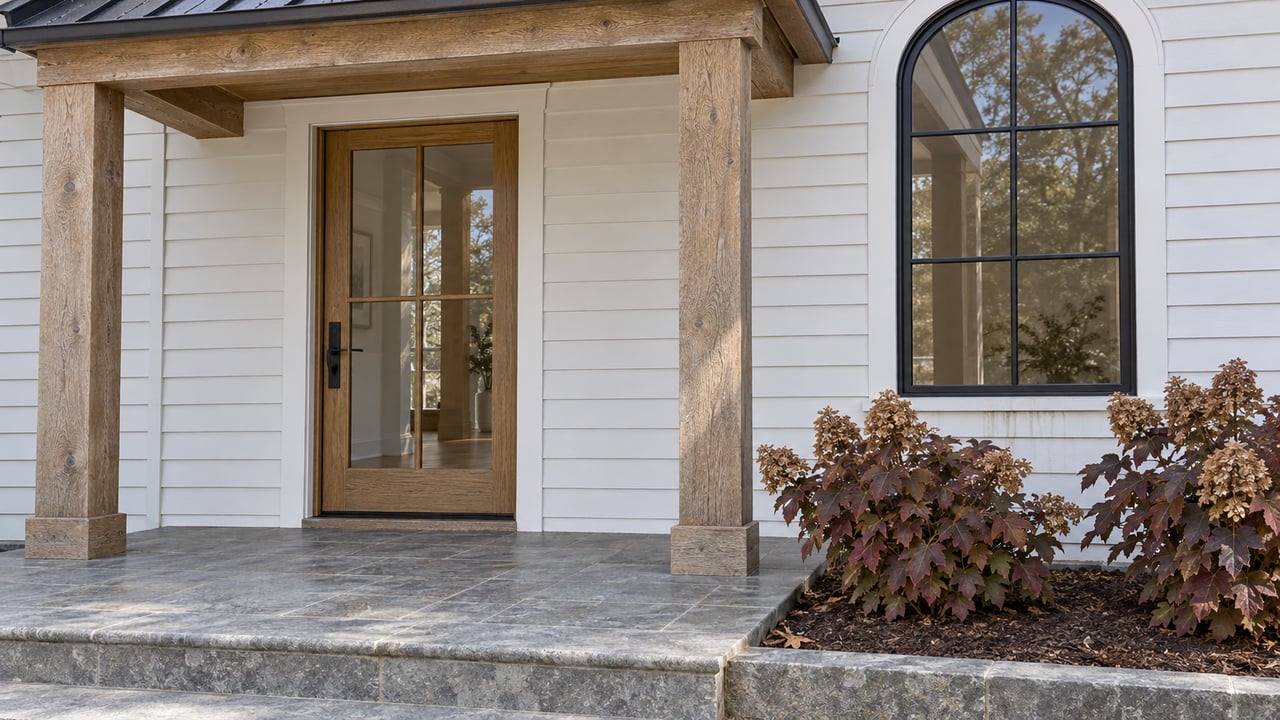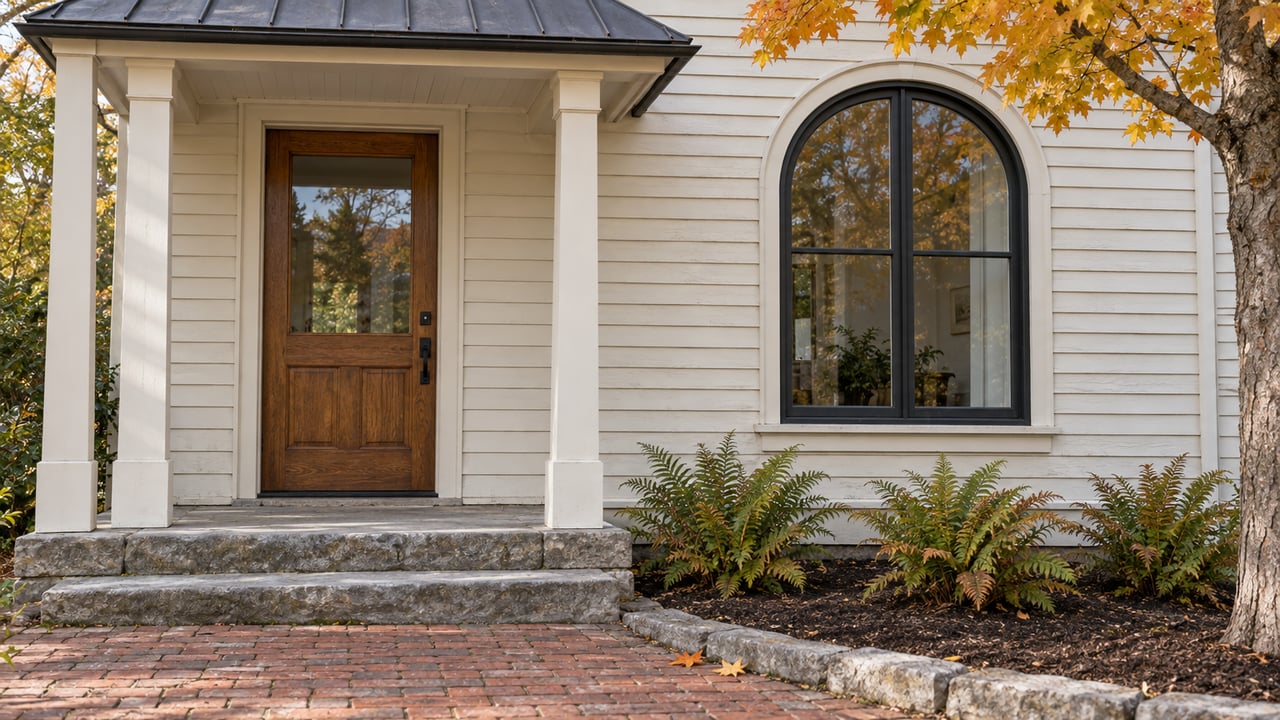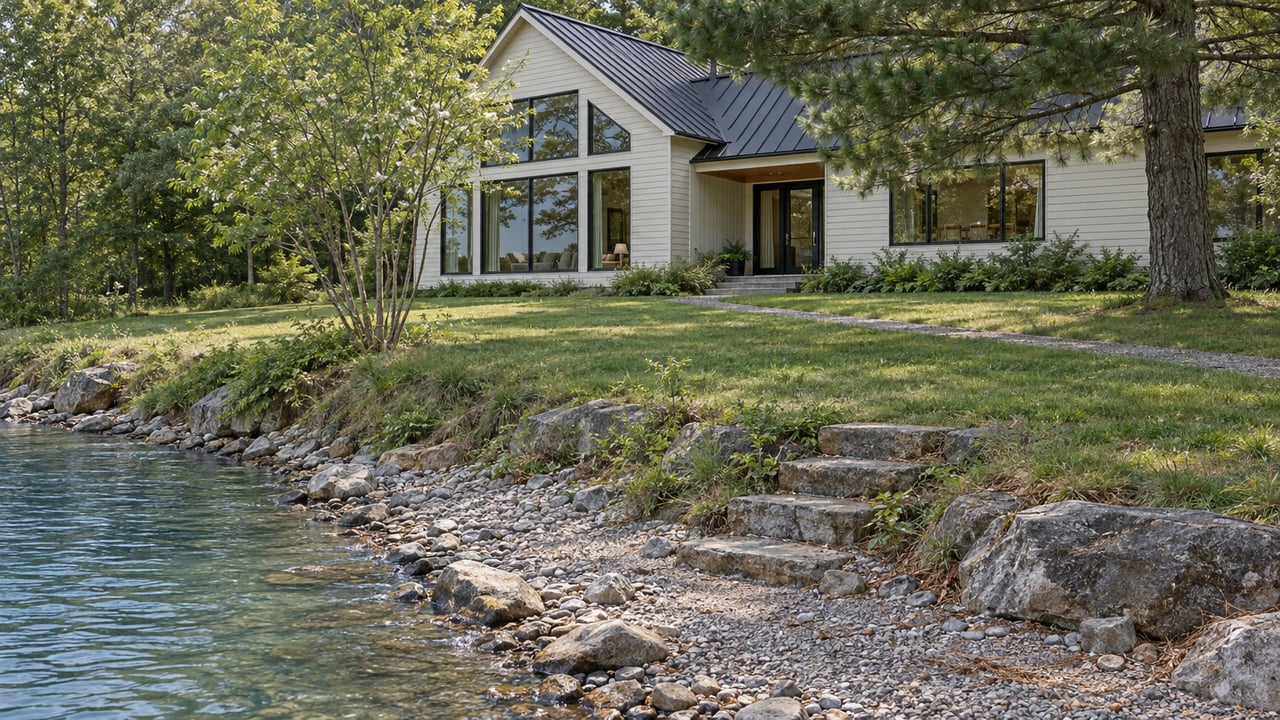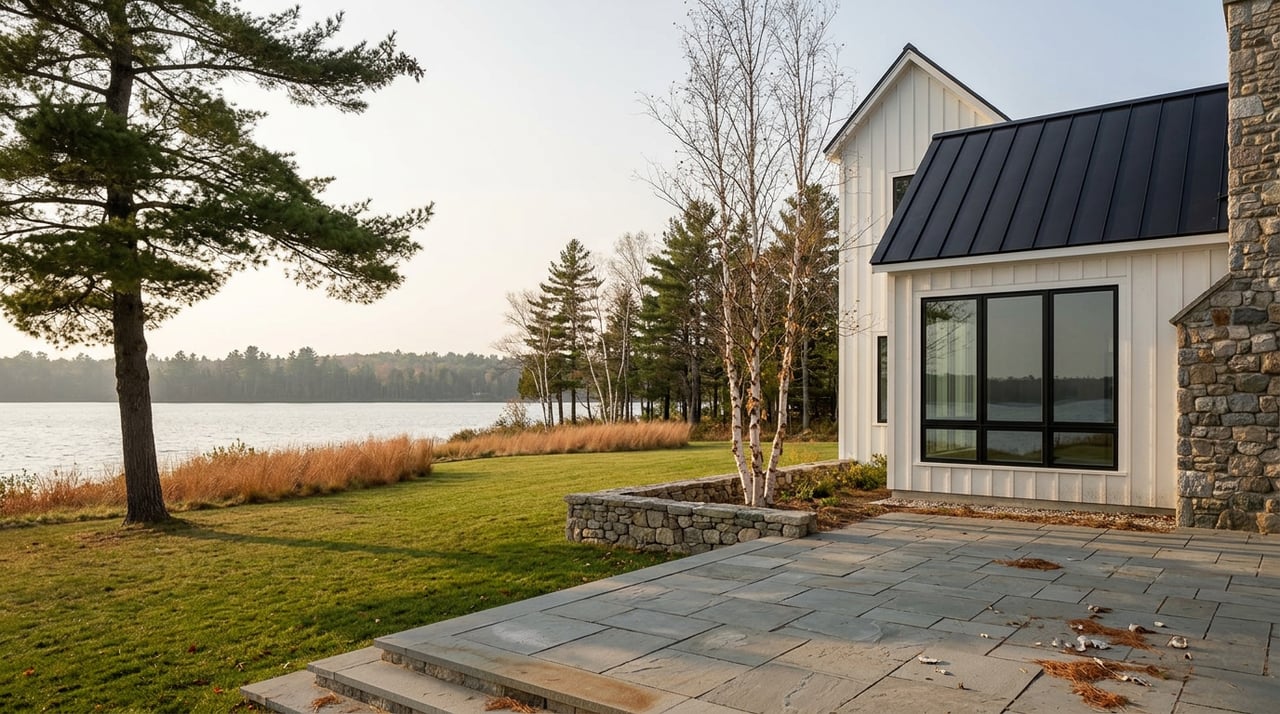
Trying to decide whether a Leelanau County property should be your second home or your primary residence? That choice affects more than how often you visit. It can shape your taxes, financing options, day-to-day upkeep, and even the kind of homes that make sense for your lifestyle. If you are exploring Cedar and the broader 49621 area, this guide will help you compare both paths and ask smarter questions before you buy. Let’s dive in.
Why this choice matters in Leelanau County
Leelanau County is one of those places where full-time living and seasonal use naturally overlap. In Cedar and nearby rural areas, a home can feel quiet and residential in winter, then become part of a much busier seasonal pattern in summer.
That context matters when you are buying. County and township planning documents describe strong seasonal population swings, rural land-use preferences, and a high share of seasonal vacant units in some areas. In other words, your intended use is not a small detail here. It is one of the first decisions that should shape your search.
Leelanau's housing pattern at a glance
The 49621 ZIP code is Cedar, and Leelanau County has 16,299 housing units, a 91.6% owner-occupied rate, and 93.1% of households with broadband subscriptions. Solon Township planning materials also describe the area as rural, with Cedar and Traverse City serving as key shopping areas.
Those same local materials note that 76% of vacant units in Solon Township are seasonal. A county recreation plan, citing a seasonal population analysis, says the county grows by more than 12,000 people in summer and ranks among the highest seasonal-population counties in Northwest Michigan.
Primary residence vs second home basics
Before you tour homes, it helps to define what each use really means. A primary residence is the home where you truly live on a full-time basis. A second home is a property you occupy for part of the year but not as your permanent home.
That difference may sound simple, but it affects several major parts of ownership. In Leelanau County, it can influence taxes, loan options, maintenance planning, and your long-term resale strategy.
How Michigan treats a primary residence
Michigan gives special treatment to a principal residence through the Principal Residence Exemption, often called the PRE. According to the state, this exemption removes a principal residence from local school operating millage, up to 18 mills.
The key issue is residency. Michigan defines a principal residence as your true, fixed, and permanent home. If a Cedar or Leelanau property is mainly a vacation place or seasonal retreat, it usually would not meet that definition.
What the PRE means for buyers
If you are buying with the intent to move in full time, the PRE can be an important part of your cost picture. If you are buying for weekend use, summer stays, or occasional visits, you should not assume the property will qualify.
This is one reason your intended occupancy matters before you write an offer. The same home may look appealing in either scenario, but the financial picture can change depending on whether it is truly your permanent home.
Michigan homestead credit is different
Michigan's homestead property tax credit is separate from the PRE. It is an income-tax credit for qualifying homeowners and renters, and it is tied to domicile, meaning your permanent home.
That means a seasonal property generally does not fit the same standard unless it is actually your principal residence. If you are comparing full-time living with part-time use, it is important not to mix these two tax concepts together.
How financing can change your options
Lenders do not usually view a primary residence and a second home the same way. Occupancy type can affect down payment options, pricing, and underwriting standards.
Fannie Mae's occupancy rules say a second home must be occupied by the borrower for some part of the year, be a one-unit dwelling suitable for year-round occupancy, be under the borrower's exclusive control, and not be rental property or a timeshare. Fannie Mae also applies loan-level price adjustments to certain second-home mortgages.
Why primary residence financing may be more flexible
Fannie Mae's 97% loan-to-value options are for one-unit principal residences. That is a practical sign that financing for a primary home can be more flexible than financing for a second home.
For buyers, this means your occupancy plan is not just paperwork. It can directly affect affordability and the financing path available to you.
Rental use can complicate second-home financing
If you are thinking, "I will use it some weeks and rent it the rest of the time," you need to be careful. Fannie Mae says a second home cannot be rental property.
That does not mean every occasional-use plan works the same way under every loan program. It does mean that if rental use becomes part of the strategy, your financing classification may change, and that is something to clarify early.
Think about taxes before you buy
Tax treatment is another reason to choose your use case up front. If the property will be your main home, different rules may apply than if it is a second home or mixed-use property.
On the federal side, IRS Publication 523 says a taxpayer may exclude up to $250,000 of gain, or up to $500,000 for married couples filing jointly, when selling a main home if the ownership and use tests are met. The IRS also notes that vacation-home, rental, or second-home use can affect the exclusion calculation.
Why occupancy plans matter later too
Many buyers focus on purchase price, monthly payment, and location. Those are important, but how you use the property now may also affect what happens when you sell later.
If you are unsure whether you will eventually move in full time, keep the long view in mind. A home that starts as a seasonal retreat may not be treated the same as a main home for tax purposes unless your actual use changes and meets the rules.
Rural ownership questions to ask
In Leelanau County, the home itself is only part of the decision. Rural infrastructure and year-round practicality can be just as important, especially if you are choosing between full-time living and occasional use.
This is especially true in areas around Cedar, where planning documents emphasize rural character. A property that feels easy to manage during a summer visit may require a different level of planning if you live there every day.
Septic questions are essential
Leelanau County's septic guidance makes this clear: septic maintenance is the homeowner's responsibility. The county says a well-maintained system can last 25 to 30 years, and most tanks should be pumped every three to five years.
The county also notes that heavier year-round use generally requires more frequent pumping than lighter seasonal use. So if you are comparing a primary home with a second home, septic wear and maintenance schedules deserve extra attention.
Ask these septic questions before you commit
According to the county guide, buyers should ask for:
- The septic system's age
- Pump history
- Inspection history
- A sketch of the tank and drain field
These are not minor details. They can help you understand whether the system fits your expected level of use and whether near-term maintenance should factor into your budget.
Seasonal homes need a different upkeep plan
A second home in Leelanau County may sit empty for stretches of time. That makes practical planning especially important.
Buyers considering seasonal use should think about winterization, access, and local service contacts. Those issues may not be as urgent for a full-time resident who is on-site year round, but they matter a lot when a property will be vacant between visits.
If rental use is part of the plan
If you may rent the property, local rules become part of your due diligence. A Leelanau Township notice for permitted short-term rentals requires a local 24-hour contact person, quiet hours, on-site parking, and other standards.
That does not mean every property in the county works the same way, because township-level review matters. It does mean buyers should confirm local rental standards before assuming a second home can also function as a short-term rental.
Inventory is tight, so clarity helps
Leelanau County's market conditions make this decision even more important. The housing assessment cited in Solon Township's plan estimated that as of February 2023, only 0.4% of the county's housing stock was for sale.
That same assessment identified a five-year gap of 382 rental units and 1,953 for-sale units. In a market this tight, knowing whether you want a full-time home or a second home can help you act faster and filter properties more effectively.
How to decide which path fits you
If you are torn between a primary residence and a second home, start with your real lifestyle, not just the dream image of the property. Ask yourself how often you will actually be there, whether you need year-round functionality, and whether tax and financing advantages matter more than seasonal flexibility.
A primary residence may make more sense if you plan to live in Leelanau full time, want to pursue principal-residence tax treatment, and need financing options geared toward owner-occupants. A second home may fit better if you want part-year enjoyment and are prepared for different financing, upkeep, and possible local rental rules.
What to compare before making an offer
Use this simple checklist as you narrow down homes:
- Will this be your true, fixed, permanent home?
- Are you expecting the property to qualify for Michigan's PRE?
- Will you need financing, and if so, how will occupancy affect your options?
- Is the home suitable for year-round occupancy?
- What is the septic system's age and maintenance history?
- If the home will sit vacant, what is your winterization plan?
- If rental use is possible, what do local township rules require?
When you answer these questions early, you can shop with more confidence and avoid surprises after closing.
Whether you are looking for a full-time move or a Northern Michigan getaway, the right strategy starts with a clear use case. If you want help weighing Cedar-area homes, rural property considerations, and how your goals fit the Leelanau market, connect with Traverse City Real Estate.
FAQs
Can a second home in Leelanau County qualify for Michigan's Principal Residence Exemption?
- Usually no. Michigan says the PRE applies to your true, fixed, permanent home, so a seasonal or vacation property generally would not qualify unless it is actually your principal residence.
Can a Leelanau County vacation home get the main-home capital gains exclusion?
- It depends on how you used the property. IRS Publication 523 says the exclusion for a main home depends on ownership and use tests, and second-home or rental use can affect the calculation.
Does rental use affect second-home financing in Leelanau County?
- Yes. Fannie Mae says a second home cannot be rental property, so planned rental use can affect how the property is classified for financing.
What septic questions should buyers ask about a Leelanau County home?
- Buyers should ask for the septic system's age, pump history, inspection history, and a sketch of the tank and drain field.
Is Leelanau County competitive for primary and second-home buyers?
- Yes. Local planning materials cite very limited inventory, including an estimate that only 0.4% of the county's housing stock was for sale as of February 2023.
Why does occupancy type matter when buying in Cedar or 49621?
- Occupancy type can affect taxes, loan options, maintenance planning, and whether the property fits year-round living, seasonal use, or possible rental goals.