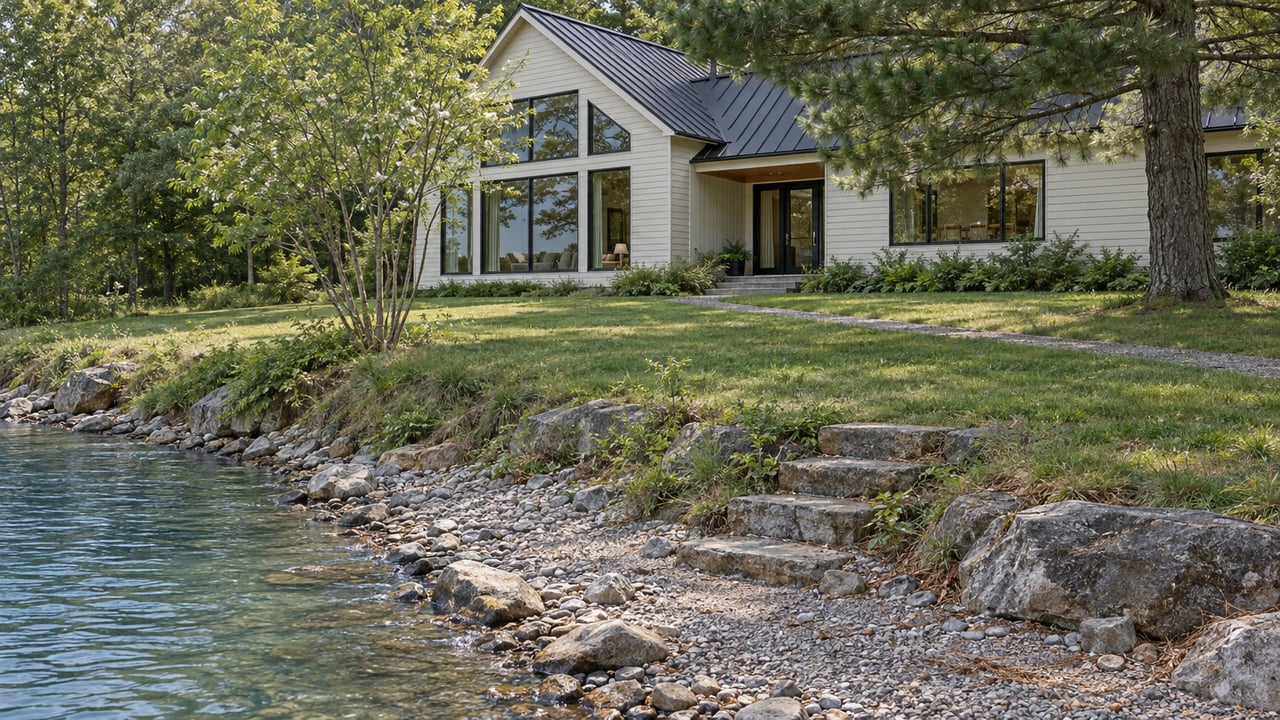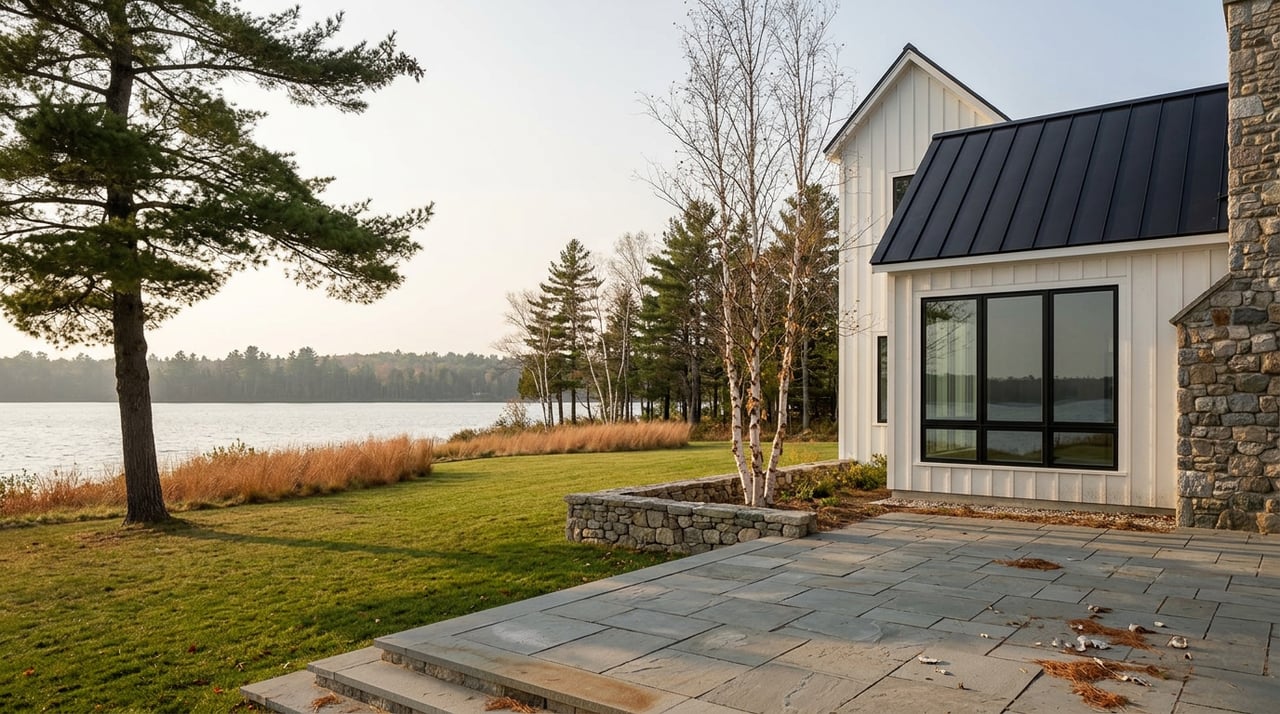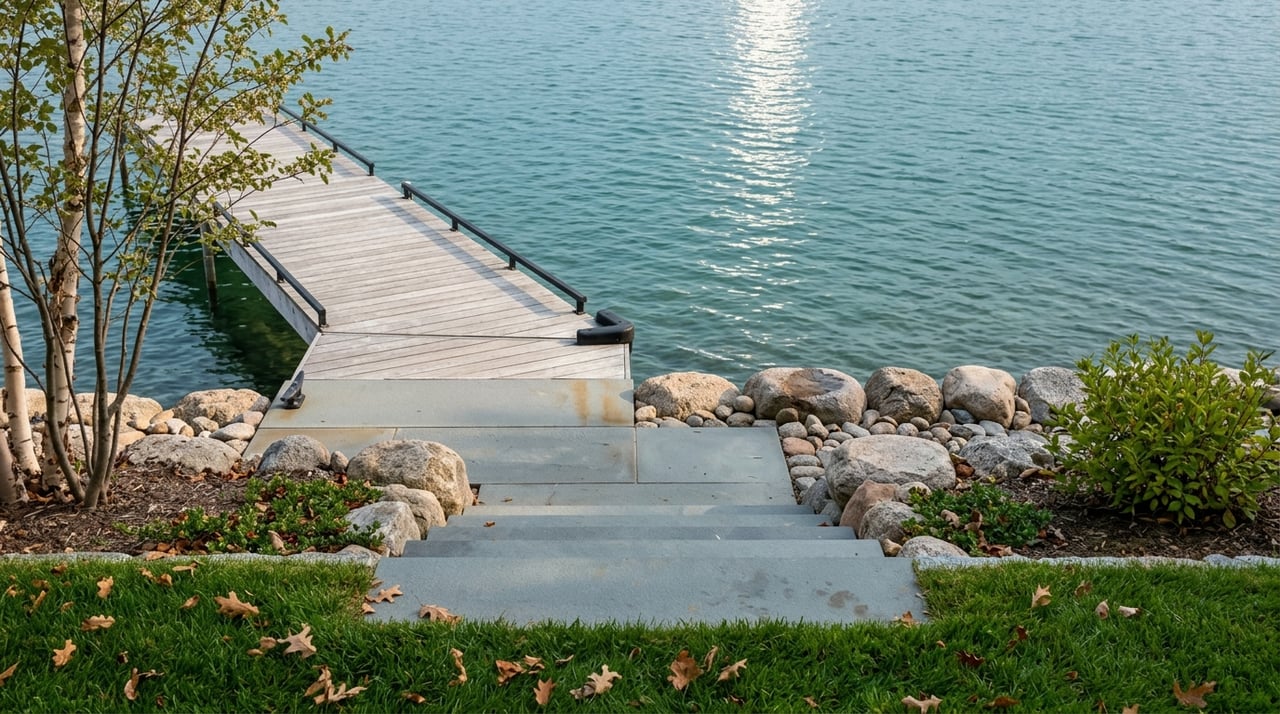
Wondering why two Leelanau County homes can both say “waterfront” and still offer completely different lifestyles? That is one of the biggest surprises buyers run into when they start browsing this market. If you want to compare listings with more confidence, it helps to know what local terms really mean, what questions matter most, and how shoreline details affect everyday use. Let’s dive in.
Start With the Waterbody
In Leelanau County, waterfront is not one single market. County planning materials describe the peninsula as bordered by Lake Michigan on one side, the west arm of Grand Traverse Bay on the other, plus a wide network of inland lakes throughout the county.
That matters because your daily experience can change a lot depending on where the property sits. A home on Lake Michigan may feel very different from one on Grand Traverse Bay or Lake Leelanau, even if the photos make them look equally appealing online.
County recreation documents note 25 inland lakes, with Lake Leelanau as the largest. The Michigan DNR also identifies inland lakes in the county such as Glen Lake, Lake Leelanau, Cedar Lake, Duck Lake, Lime Lake, Little Glen Lake, Little Traverse Lake, and Shell Lake.
Lake Michigan Listings
Lake Michigan frontage often comes with dramatic views and a stronger sense of exposure to the elements. In and around the Sleeping Bear area, the shoreline is known for bluffs, dunes, and changing coastal conditions.
Sleeping Bear Dunes National Lakeshore protects about 35 miles of Lake Michigan shoreline across Leelanau and Benzie counties. That is important when reading listings because some of the most beautiful shoreline views in the area are tied to public land, not private frontage.
Grand Traverse Bay Listings
Bayfront homes still offer big-water living, but access details can be especially important here. County materials point to road-end access and marina options around the area, which can shape how a property functions even if it is not directly on the water.
If a listing mentions proximity to villages, harbor areas, or boating amenities, take a closer look at what is actually included. Nearby water access can be valuable, but it is not the same as owning shoreline frontage.
Inland Lake Listings
Inland lake homes can be the most varied category of all. Some may feel calm and recreation-focused, while others may have restrictions, different launch conditions, or different access arrangements.
That is why it helps to compare inland lake listings lake by lake instead of treating them as one group. A property on Glen Lake may live differently from one on Little Traverse Lake or Shell Lake.
Decode Frontage and Access Terms
One of the most useful local skills is learning to separate waterfront location from waterfront use. A listing may highlight the water, but the real question is how you actually access and enjoy it.
County directories note numerous road-end access points to Lake Michigan and West Grand Traverse Bay, along with access points on Glen Lake, Lake Leelanau, and the Leland River. They also identify DNR launch sites, small-craft launches, and at least one no-motor access area.
Direct Frontage
When a listing says direct frontage, lakefront, or bayfront, it generally means the parcel touches the shoreline. That sounds simple, but even then, the rules and practical use can vary by township and by site conditions.
For example, Centerville Township has a waterfront overlay district that regulates items such as home height, docks, boat ramps, walkways, and vegetation buffers. That is one township example, not a countywide standard, but it shows why local review matters.
Deeded or Shared Access
Deeded or shared access usually means you have use rights rather than private shoreline ownership. That can still be very attractive, especially if you want water access without the maintenance that sometimes comes with direct frontage.
Still, you will want details before comparing price. Ask how many owners share the access, whether there is parking, who maintains the path or stairs, and whether a dock or beach area is part of the arrangement.
Public or Road-End Access
Public access and road-end access can be useful, but they are not all the same. Some county-listed sites are suited to small watercraft, and some have specific limitations.
For example, the county directory notes that some sites are good landings for 14-foot or smaller aluminum boats. It also lists North End Shell Lake as no motors, which is a good reminder that access and use rules can shape your experience just as much as the view.
Nearby Marina Access
A listing near a marina may still fit your lifestyle even if it is not on the water. County materials list marinas in Leland, Northport, Suttons Bay, and Elmwood Township.
That kind of nearby access can be especially appealing if you want easier boating logistics without taking on direct shoreline ownership. It is a different value proposition, and worth comparing on its own terms.
Read Exposure and Orientation Carefully
In Leelanau County, geography affects light, wind, and how the water feels from season to season. Because the county is a peninsula, orientation can tell you a lot before you ever schedule a showing.
A west-facing Lake Michigan property will generally be associated with evening light and sunset views. An east-facing bay property will generally lean more toward morning light. These are practical inferences from the county’s layout and can help you narrow your search based on how you actually want to use the home.
Why Shore Type Matters
The shoreline itself often matters more than the headline photo. Two homes may both have water views, but one may offer easy day-to-day access while the other is more about scenery than shoreline use.
This is where bluff, beach, and inland-lake conditions become important.
Bluff Properties
Bluff properties can be spectacular, but they are often view-first and access-second. In the Sleeping Bear area, the National Park Service describes steep bluff faces formed from glacial moraines and notes that some rise about 460 feet above Lake Michigan.
The same coastal materials also describe this shoreline as dynamic, with bluff faces prone to slumping and erosion. If you are comparing bluff listings, ask about stairs, maintenance, seasonal access, and whether shoreline work may be needed over time.
Sandy Beach Properties
Sandy beach frontage is highly sought after, but not all beaches function the same way. A listing may have sand while still varying in beach width, privacy, seasonal conditions, or ease of access.
The National Park Service also notes that wind and waves on Lake Michigan can make paddling hazardous. So if your goal is easy swimming or paddle sports, exposure is just as important as the fact that a beach is present.
Inland Lake Shorelines
Inland lake shorelines often feel calmer and more usable for swimming, paddling, and small-boat use. But even here, you should avoid assumptions.
County records show different launch sites, road-end access points, and no-motor areas across the county. That means one inland lake may support a very different routine than another.
Ask Better Questions on Every Listing
Once you know the difference between waterbody, access type, and shore condition, it becomes easier to compare homes in a meaningful way. Instead of focusing only on price or photos, you can start asking questions that reveal how the property will actually live.
County planning documents note that local units of government handle zoning and land-use administration. They also emphasize the importance of water quality, septic systems, wells, shorelands, dunes, and steep slopes.
Questions Worth Asking
Use this checklist when a waterfront listing catches your eye:
- How do you reach the water: stairs, slope, dock, beach, launch, or marina?
- Is the access private, shared, deeded, or public?
- What kind of maintenance is typical here?
- Are there bluff, dune, or erosion considerations?
- Would any shoreline changes or projects likely need permits?
- What utility systems serve the property?
- Does the setup match how you plan to use the home?
Utility Systems Matter More Here
Leelanau County planning documents state that individual septic systems are the most common sewage method in the county. The same materials say nearly the entire county relies on private wells for potable water, except in a few public-service areas.
That makes utility questions especially important when you compare waterfront homes. A property’s shoreline may get the attention first, but the underlying service setup affects ownership just as much.
Shoreline Work and Permits
If you are considering any future shoreline project, permit questions should come up early. Michigan EGLE regulates Great Lakes shoreline construction, and its inland lakes program covers activities such as dredging, filling, structures on bottomlands, marinas, and work that interferes with the natural flow of water.
EGLE also recommends natural shoreline treatments or bioengineering for shoreline protection. If a home needs shoreline work, that is a practical issue to evaluate before you fall in love with the view.
Compare Lifestyle, Not Just Listings
The smartest way to read Leelanau County waterfront listings is to think beyond the word “waterfront.” Start by sorting listings into Lake Michigan, Grand Traverse Bay, and inland lake categories, then compare access type, shoreline condition, and day-to-day usability.
That simple shift can save you time and help you avoid homes that look similar online but live very differently in person. When you read listings like a local, you make faster, better decisions with fewer surprises along the way.
If you want help comparing waterfront properties in Leelanau County, Traverse City Real Estate can help you evaluate the details behind the photos and find the right fit for your goals.
FAQs
What does waterfront mean in Leelanau County listings?
- In Leelanau County, waterfront can refer to Lake Michigan, Grand Traverse Bay, or one of the county’s inland lakes, and each offers a different ownership and lifestyle experience.
What is the difference between direct frontage and shared access in Leelanau County?
- Direct frontage usually means the parcel touches the shoreline, while shared or deeded access usually means you have rights to use the water without owning private shoreline frontage.
Why do bluff properties in Leelanau County need extra review?
- Bluff properties may offer strong views, but the shoreline can involve steep access, erosion, slumping, stairs, and more ongoing maintenance questions.
Are all inland lake properties in Leelanau County the same?
- No, inland lake properties can vary widely by lake, access type, launch conditions, and rules such as no-motor areas.
What utility systems should buyers expect in Leelanau County waterfront homes?
- County planning documents say individual septic systems are the most common sewage method and that most of the county relies on private wells for potable water.
Why should buyers ask about permits for Leelanau County shoreline work?
- Shoreline projects may be regulated depending on the location and type of work, so permit questions can affect your plans for docks, stabilization, dredging, or other waterfront improvements.