If you picture mornings of glassy paddleboarding one day and big-water sunset cruises the next, Leelanau County puts both within reach. The challenge is choosing which shoreline fits how you actually live: the bays and open Lake Michigan, or the inland lakes like Lake Leelanau and Glen Lake. In this guide, you’ll learn how water temperature, waves, marinas, swim character, maintenance, and permits differ so you can zero in on the right fit. If you live or plan to buy near Cedar in 49621, you sit close to Lake Leelanau’s south basin, which makes this choice especially relevant. Let’s dive in.
Bays vs inland lakes in Leelanau
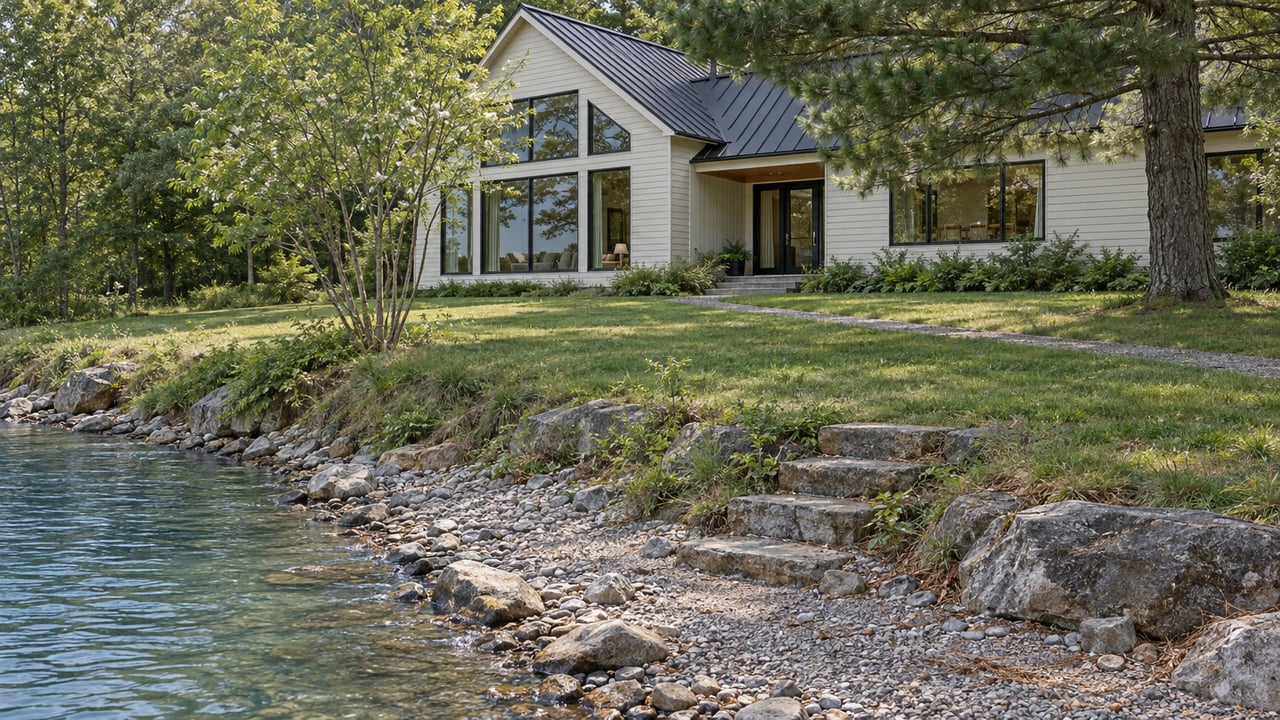
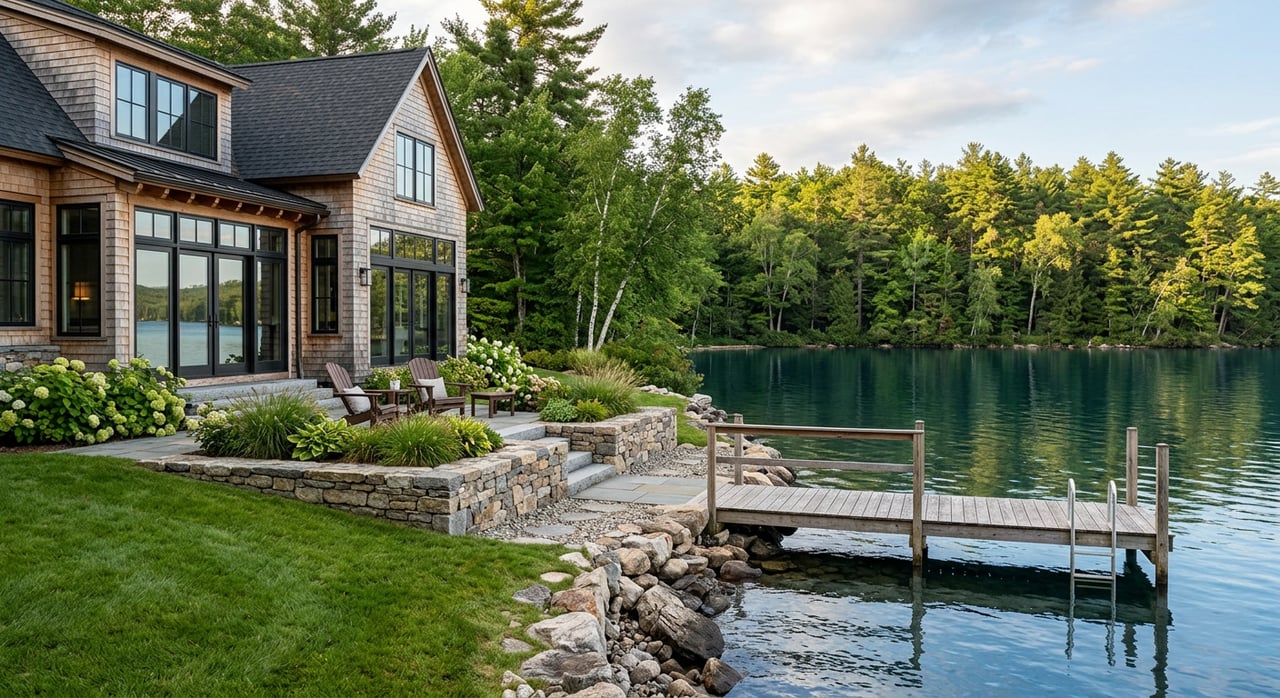
Leelanau County offers two very different waterfront experiences. Bayfront stretches tie into Grand Traverse Bay and open Lake Michigan with broad views, dune and bluff segments, and village harbors. Inland lakes are glacial basins with varied shorelines, from sandy to vegetated, and they deliver a more enclosed, sheltered feel. You’ll find both options spread around the peninsula’s towns and parks, with village amenities and marinas adding character along the bay side. A county overview highlights these coastal assets.
Lake Leelanau’s two basins
Lake Leelanau totals about 8,600 surface acres split into two connected basins. The north basin is deep, with a maximum depth near 121 feet, while the south basin is shallower, around 62 feet at maximum. The Narrows at M‑204 links them and concentrates boat traffic in peak months. That geometry creates different boating and fishing experiences within the same lake, and shoreline character ranges from sandy segments to marsh-fringed pockets, especially toward the south. See the Lake Leelanau Association’s handbook for a clear picture of the lake’s layout.
Glen Lake clarity
Glen Lake also splits into Big and Little Glen. Big Glen is deep with exceptionally clear, sandy water, while Little Glen feels more intimate. If you value bright, clear swim water and a classic up-north lake vibe, Big Glen often checks those boxes. Explore a snapshot of Glen Lake’s reputation for clarity and sandy swimming as you compare options.
How water size changes your season
Large waters warm slowly and stay cooler through summer. Grand Traverse Bay and Lake Michigan have massive thermal inertia, which means July and August swims can feel brisk compared with inland lakes. By contrast, sheltered inland pockets typically warm earlier and hold heat longer into the season. See long-term trends in Great Lakes water temperatures through NOAA’s average temperature analysis.
Waves, wind, and seiche
Bayfront and Lake Michigan shorelines experience more wind-driven waves, frequent chop, and occasional seiche events that can push water levels up or down in short windows. Inland lakes are generally calmer, which is good for paddle sports and casual swims. The EPA’s Great Lakes coastal processes guidance explains the wind and water-level dynamics that shape these differences.
Lifestyle differences you will feel
Boating and marinas
If you want bigger boats and long, open-water cruising, bayfront living pairs naturally with marina access. You can step up in boat size, run to islands, and make multi-mile cruises. Options around the bay include municipal and private marinas, like the CenterPointe marina on West Grand Traverse Bay.
Inland lakes often favor family pontoons, wake sports, fishing, and shorter runs. Lake Leelanau has multiple launch options, and the Narrows becomes a busy boating corridor in peak season. If quick, calm paddling or easy swim access is your everyday goal, inland lakes typically make that simpler. The Lake Leelanau handbook is a helpful primer on the basins and key use areas.
Swimming and beach time
Inland lakes warm faster and often feel more swimmable earlier in summer. Big Glen, in particular, is known for clear, sandy swimming. Some shallower nearshore pockets on inland lakes can see aquatic vegetation grow in late season, which can change the feel of the shoreline. Bay and Lake Michigan beaches deliver the postcard views and dunes, with sandy stretches in places like Good Harbor and Sleeping Bear, but the water is cooler and more exposed. For county context on beaches and shoreline features, see the Leelanau profile, and for Glen Lake’s swim character, browse this overview.
Fishing and wildlife
Fish communities vary with depth, temperature, and connectivity. Lake Leelanau supports a mix of cold and cool-water species influenced by its history and basin differences. Anglers will find distinct target species and techniques on the inland lakes versus the bay. The Lake Leelanau fishery page outlines the lake’s dynamics and is a good starting point for understanding what bites where.
Village energy vs quiet coves
Bayfront villages like Leland, Northport, Suttons Bay, and Glen Arbor draw more summer visitors and bring restaurants, shops, and harbors within a short stroll. Many inland lake neighborhoods also see seasonal use, but the activity spreads around the shore, which can feel quieter day to day. Weigh how much you value walkable amenities against a more private, lake-centric setting. For a sense of village stay patterns, review a representative seasonal rental listing in the area.
Lots, homes, and everyday upkeep
Bayfront parcels often run along dunes or bluffs, and homes can see more wind, wave, and ice exposure. Inland lake lots range from sandy entries to wooded or marsh-adjacent frontage, especially around the south end of Lake Leelanau. These differences influence foundation types, beach usability, and ongoing maintenance. The Lake Leelanau handbook gives a sense of how shoreline types vary around the basins.
Most of Leelanau County is rural in feel. Many waterfront properties rely on private wells and septic systems rather than municipal utilities. It is smart to verify sewer availability with the township and check septic capacity, age, and replacement feasibility early. Septic realities can affect both your purchase decision and what you can do with the property.
Shoreline work like docks and seawalls often requires permits and planning. Budget for installation and replacement costs, which can range from several thousand dollars to much more depending on scope, and expect permitting timelines. Start with the state’s overview of Michigan shoreland and bottomlands laws.
Environmental and regulatory checks
Permits and shoreland rules
Michigan regulates work on both inland lakes and Great Lakes shorelines under state law. Many projects require permits, and some involve a joint state and federal application. Local zoning, critical dune protections, and wetland rules also apply. Always confirm requirements with the Michigan EGLE program and your township before committing to shoreline or in‑water changes. Use this Michigan marina and shoreland law guide to understand the basics.
Water levels, seiche, and erosion
Grand Traverse Bay and Lake Michigan see fluctuating water levels, storm surge, and seiche events that can temporarily flood or erode low-lying or bluff areas. Inland lakes fluctuate too, but the drivers and scale differ. Review FEMA flood maps and ask for local erosion history when you evaluate any parcel. For context on Great Lakes seiche and wave behavior, consult the EPA’s coastal processes resource.
Vegetation, invasives, and HABs
Inland lakes can develop nuisance vegetation or, under certain nutrient and warm-weather conditions, harmful algal blooms. Lake associations monitor and manage these issues. Lake Leelanau has an active program tracking aquatic vegetation and invasive species that can influence swim and boating access in some bays. Review the 2020 Lake Leelanau vegetation survey and management summary to see how management works in practice.
Market realities to plan around
Leelanau County is a premium Northern Michigan market, and location matters. Village proximity, specific lake frontage, and bay exposure can create large value differences. Waterfront inventory is typically tight and tends to command higher price points than non-waterfront homes. For true apples-to-apples comparisons, you will want waterfront-only closed sales pulled from the regional MLS and then normalized by frontage, acreage, orientation, and improvements. That is the best way to compare a west-facing bay bluff to a sandy inland cove.
What usually drives your budget and selection:
- Boat plans and slip needs. Larger boats and long cruising days push you toward bayfront plus marina access. See CenterPointe’s marina overview as one example of slip-based living.
- Desired swim character. If warm, shallow entries and calm daily swims are the priority, inland lakes tend to deliver. Big Glen’s clarity is a good benchmark via this Glen Lake overview.
- Privacy vs walkability. Bay villages offer shops and dining nearby, while many inland pockets feel more private day to day. A representative vacation listing showcases typical village proximity.
- Shoreline stability and permits. Factor in potential costs and timing for docks, seawalls, or dredging. Start with Michigan’s shoreland regulations guide.
Quick decision guide: bays vs inland lakes
Use these points to narrow your search fast:
- You want bigger boats, harbor life, and long open-water runs: prioritize bayfront plus marina access. Review a bay marina’s amenities to picture daily logistics.
- You want warm, calm swims and easy paddling: focus on inland lakes with sandy, sheltered entries. Big Glen’s clarity sets a useful standard in this overview.
- You want village strolling and summer bustle: look at bayfront in Leland, Suttons Bay, Glen Arbor, or Northport. For quieter, spread-out activity, target inland pockets around Lake Leelanau’s basins or Little Glen.
- You prefer lower exposure and simpler dock needs: inland lakes are often less wind- and wave-exposed than the bay. That can mean fewer weather-related maintenance surprises.
- You are comfortable with higher insurance potential and dock or shoreline permitting: bayfront can require more planning and budget. Start with Michigan’s permitting overview.
Smart next steps for 49621 buyers
- Shortlist 2–3 candidate properties on each shoreline type that fit your swim and boat priorities.
- Ask for septic and well records up front, plus any prior shoreline permits and as-built surveys.
- Confirm slip or mooring options if you plan to upsize your boat, using a nearby marina’s services page as a reference for capabilities.
- Review FEMA flood maps and ask for any shoreline erosion history or high-water impacts.
- If you are comparing Lake Leelanau locations, study the basin map and Narrows details to understand traffic patterns and depth.
Ready to refine your search and compare specific parcels? Reach out to Traverse City Real Estate for a consultative, place-based plan that matches your shoreline priorities with on- and off-market opportunities.
FAQs
Do I need a permit for docks or seawalls in Leelanau?
- Often yes. Michigan regulates shoreline and in-water work on both inland lakes and Great Lakes. Start with the state’s shoreland and bottomlands laws and confirm details with EGLE and your township.
Which is warmer for July swims in Leelanau: Lake Leelanau or the bay?
- Inland lakes commonly feel warmer in midsummer than Grand Traverse Bay or Lake Michigan. The Great Lakes’ larger thermal mass keeps them cooler, which you can see in NOAA’s long-term averages.
How do waves and seiche affect bayfront homes?
- Bayfront parcels see more frequent wind chop, larger waves, and periodic seiche events that can raise or lower water temporarily. That can influence docking, shoreline wear, and flood planning. The EPA explains these coastal processes.
Are inland lakes in Leelanau more likely to have aquatic vegetation?
- Inland lakes can develop dense vegetation and, at times, harmful algal blooms depending on nutrients and temperature. Lake associations monitor and manage these issues. Review the Lake Leelanau vegetation survey summary for a local example.
What boat size makes sense for each shoreline type?
- If you want a boat over 25 feet and frequent long runs, bayfront plus marina access is usually the better fit. If you prefer pontoons, wake boats, fishing rigs, or daily paddling, inland lakes often offer easier, calmer use. Explore a bay marina’s capabilities to gauge slip options.